

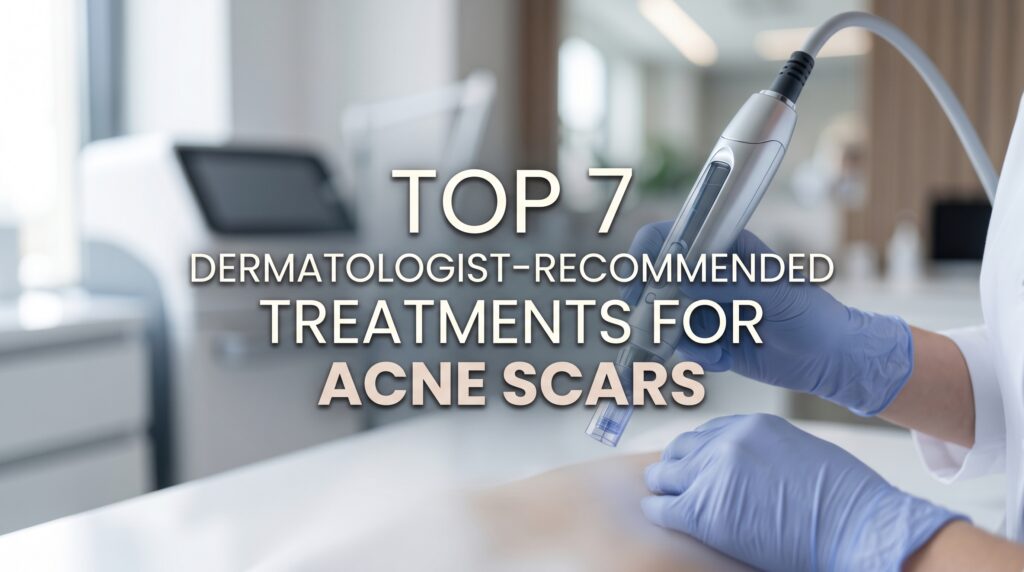
If you have ever stared into the mirror and wondered why your acne scars are still showing up long after the breakouts have stopped, you are not alone. Stubborn acne scars are one of the most common skin concerns dermatologists treat, and they rarely fade with creams alone. The good news is that with the right clinical approach, even deep, years-old scars can be visibly softened, smoothed, and in many cases, dramatically improved.
This guide walks you through the top 7 dermatologist-recommended treatments for stubborn acne scars what they actually do, who they suit best, and what kind of results to expect. Everything here is based on the same approach used at Caviar by Dr. Ambreen Roshan, a leading aesthetic clinic in Karachi where stubborn scars are treated with FDA-approved technology and customized, skin-type-aware protocols.
Why Acne Scars Are So Hard to Treat
Before jumping into the treatments, it helps to understand why scars are stubborn in the first place. Acne scars form when inflammation damages the deeper layers of the skin, disrupting collagen production. Depending on how your skin healed, you may end up with:
- Ice pick scars narrow, deep pits that look punched into the skin
- Boxcar scars wider depressions with sharp, defined edges
- Rolling scars wave-like, soft dips that give the skin an uneven texture
- Hypertrophic and keloid scars raised, thickened tissue, more common on the chest, jaw, or back
- Post-inflammatory hyperpigmentation (PIH) flat brown, red, or purple marks that linger after a breakout
Each scar type responds differently to treatment, which is why a one-size-fits-all approach rarely works. A proper consultation, ideally with skin analysis, is the first real step toward results. If you are still trying to figure out where to start, our guide on the top reasons to visit a dermatologist for skin care is a useful starting point.
Quick Answer: What Treatment Works Best for Stubborn Acne Scars?
There is no single best treatment for stubborn acne scars the most effective plan usually combines two or three options based on scar type and skin tone. Dermatologists most often recommend microneedling with PRP, fractional laser resurfacing, chemical peels, and exosome therapy, layered together over a few months for visible, lasting improvement.
1. Microneedling (Collagen Induction Therapy)
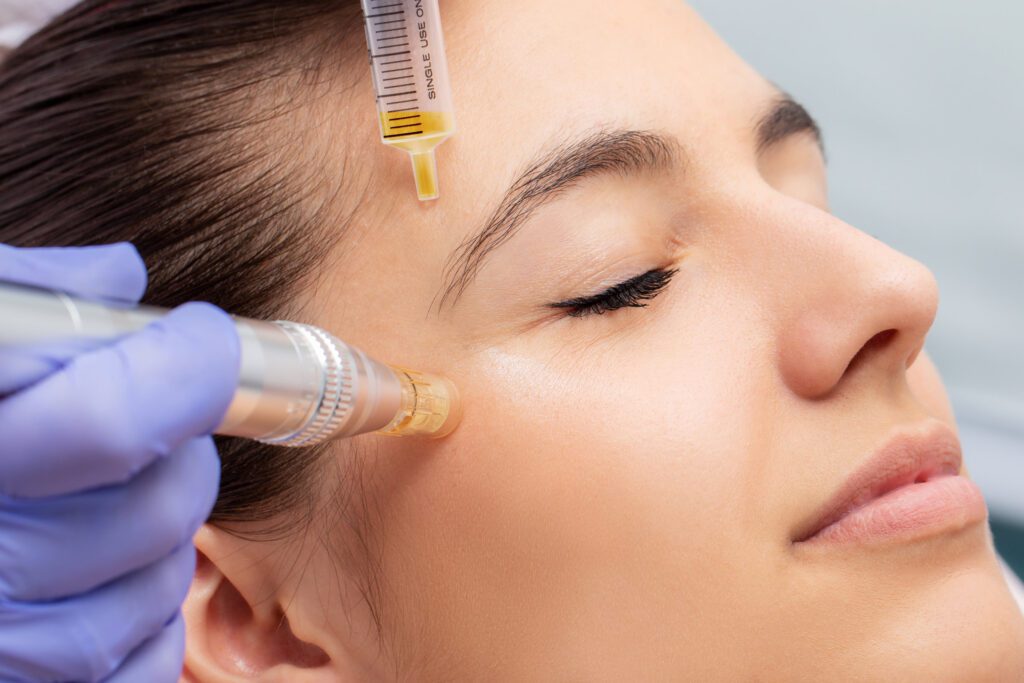
Microneedling is a gold-standard treatment for rolling and boxcar acne scars. Tiny medical-grade needles create controlled micro-injuries in the skin, prompting your body to produce new collagen and elastin in the scarred areas. Over a series of sessions, the depressed scars gradually lift, and the overall texture becomes smoother and more even.
Best for:
- Rolling and boxcar acne scars
- Enlarged pores and uneven texture
- Mild to moderate post-acne pigmentation
What to expect:
Most people need 4 to 6 sessions spaced about 4 weeks apart. Downtime is minimal usually a day or two of redness similar to a mild sunburn. Microneedling is also safe across most skin tones, including the deeper, melanin-rich skin common in Pakistan, when performed by a trained provider.
2. PRP and PRF Therapy (Platelet-Rich Plasma / Fibrin)
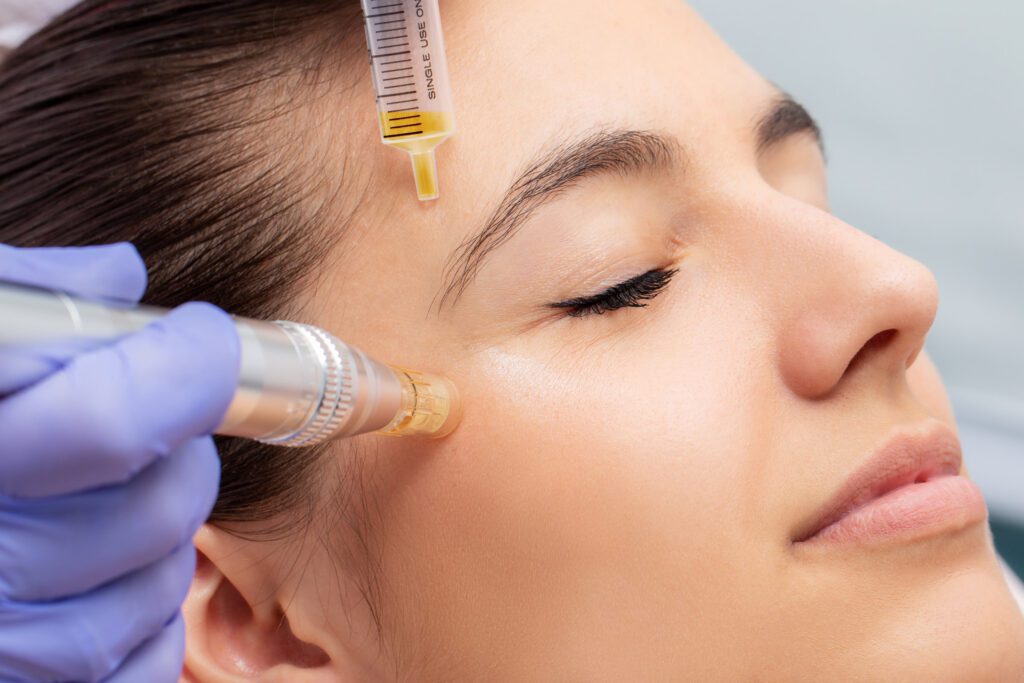
PRP and PRF therapy uses growth factors from your own blood to accelerate skin healing and collagen remodeling. When combined with microneedling often called the “vampire facial” it becomes one of the most effective treatments for stubborn acne scars, because the growth factors penetrate directly into the channels created by the needles.
If you want to read more about how this combo works, our deep-dive on combining PRP/PRF with microneedling explains the science and the visible difference it makes.
Best for:
- Atrophic (depressed) acne scars
- Dull, tired-looking skin alongside scarring
- Patients who prefer a natural, autologous treatment
What to expect:
3 to 4 sessions, 4 to 6 weeks apart. Results build gradually as collagen rebuilds, with most patients seeing meaningful improvement around the 3-month mark.
3. Chemical Peels (Including Cosmelan and VI Peel)
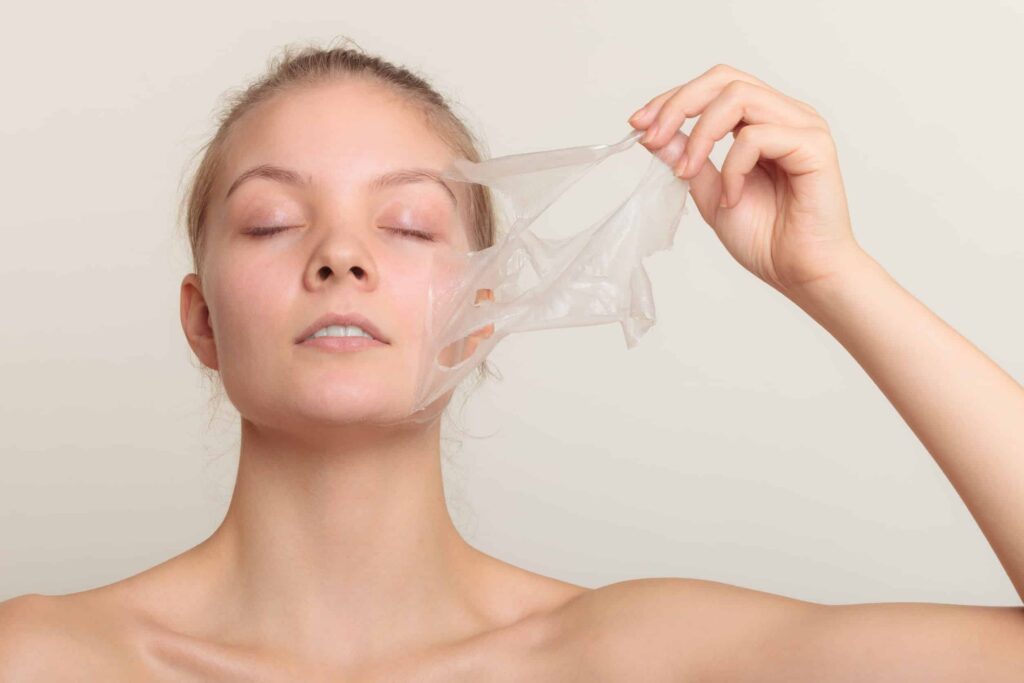
Chemical peels exfoliate the upper layers of skin and trigger renewal underneath. For acne scars, especially shallow ones and post-inflammatory hyperpigmentation, the right peel can make a noticeable difference. The choice of peel depends on your skin type, scar depth, and pigmentation pattern.
At Caviar, three peels are especially popular for stubborn acne marks: the Cosmelan Peel for deep pigmentation and melasma-style marks, the VI Peel for medium-depth resurfacing, and the Green Sea Peel for gentler, more frequent renewal.
If pigmentation that keeps coming back is your main issue, the article on why pigmentation keeps coming back and how Cosmelan Peel targets the root cause is worth reading before booking. You can also explore how chemical peels brighten skin safely if this is your first peel.
Best for:
- Post-inflammatory hyperpigmentation (PIH) and red marks
- Shallow boxcar and rolling scars
- Uneven skin tone and dullness
4. Laser Resurfacing for Acne Scars
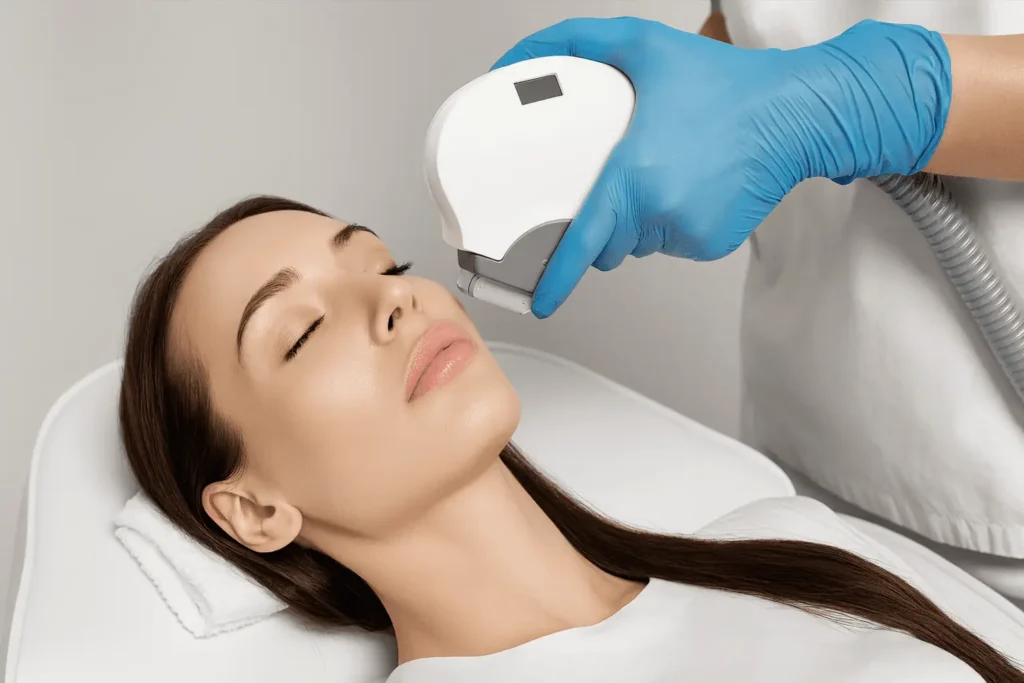
Laser treatments are among the most powerful options dermatologists recommend for deep, stubborn acne scars. Fractional lasers, in particular, create micro-columns of controlled heat that stimulate collagen and resurface scar tissue without damaging the surrounding skin.
At Caviar, advanced laser treatments are delivered using FDA-approved, American-imported devices important when treating Pakistani skin tones, which need careful energy settings to avoid post-treatment pigmentation. Our overview of safe and effective laser solutions for glowing skin covers what makes a laser session safe and effective.
Best for:
- Deep ice pick and boxcar scars
- Older, hardened scar tissue
- Combination scarring where texture and tone need work
What to expect:
Depending on the laser used, downtime ranges from a few days of pinkness to about a week of peeling. Most patients see visible improvement after 3 to 5 sessions.
5. Exosome Therapy
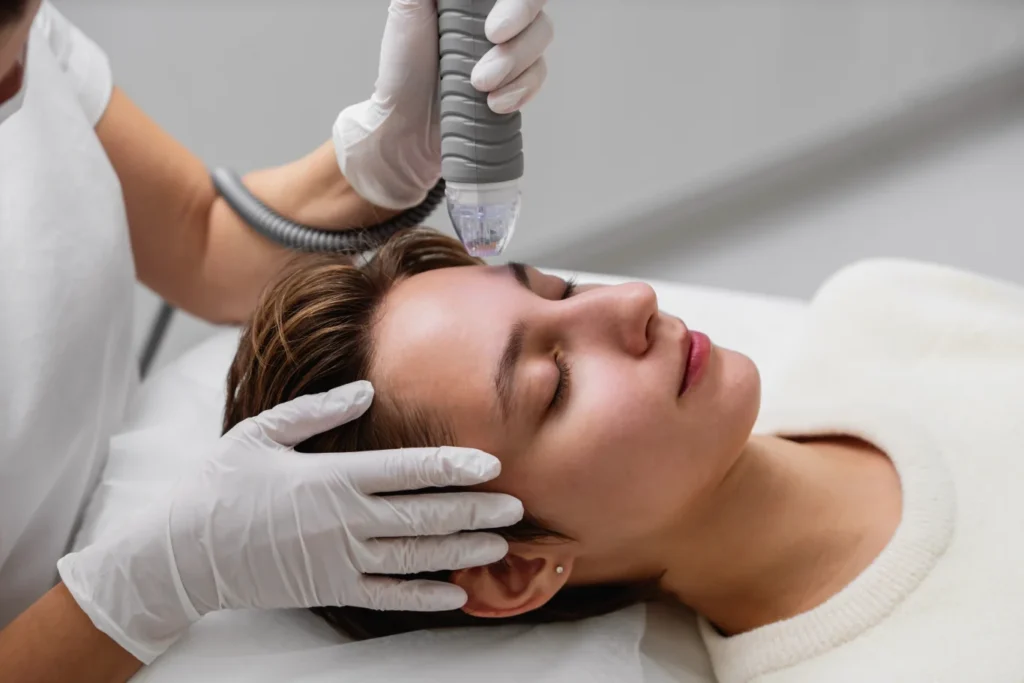
Exosome therapy is one of the newer additions to the dermatologist’s toolkit and quickly becoming a favorite for stubborn acne scars. Exosomes are tiny vesicles carrying growth factors, peptides, and signaling molecules that tell skin cells to regenerate, calm inflammation, and rebuild collagen making them especially useful right after microneedling or laser sessions.
If you are curious about what exosomes actually do at the cellular level, our complete exosome therapy guide breaks it down without the jargon. Caviar offers exosomes from plant, bacterial, and human placenta (stem cell) sources, chosen based on your skin’s needs.
Best for:
- Active acne with simultaneous scarring
- Post-inflammatory redness that won’t fade
- Patients combining treatments who want faster healing and better results
6. Dermal Fillers for Atrophic Scars
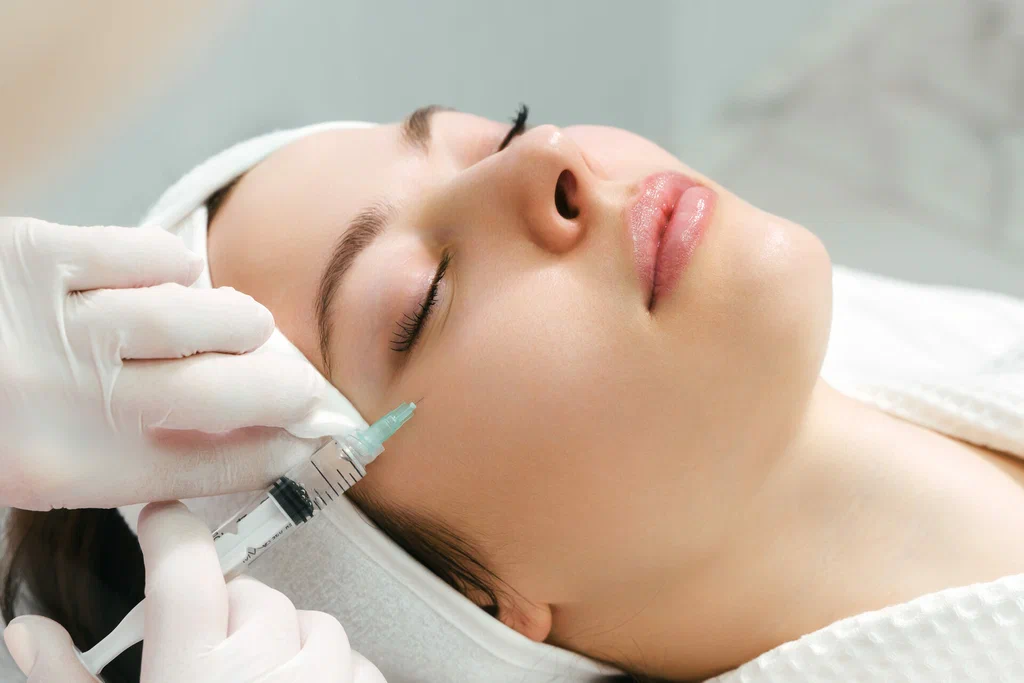
For deep, depressed scars that resist resurfacing particularly older boxcar and rolling scars small amounts of dermal filler can lift the indented tissue almost immediately. Hyaluronic acid fillers are the most common choice because they are reversible, predictable, and safe when used by an experienced practitioner.
Filler is rarely a standalone fix for scarring; instead, it is typically used to complement microneedling or laser, smoothing out the few stubborn pits that other treatments cannot fully erase. If you are weighing your options between injectables, our breakdown of filler vs threads vs Botox for a natural lift is a helpful read, and how Botox and dermal fillers can enhance your natural beauty walks through what to expect on your first visit.
Best for:
- Isolated deep boxcar or rolling scars
- Patients wanting immediate visible improvement
- Touch-ups after a series of resurfacing treatments
7. Mesotherapy and Skin Boosters
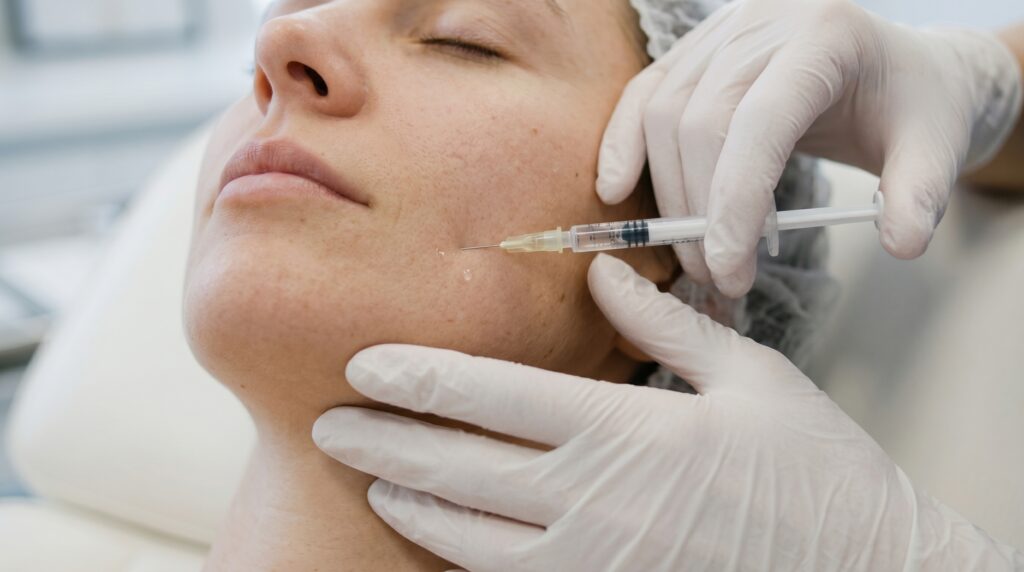
Mesotherapy involves micro-injections of vitamins, antioxidants, hyaluronic acid, and amino acids directly into the skin. While it is not a primary scar-removal treatment, mesotherapy for face and hair is a powerful supporting therapy for scarred skin it improves overall skin quality, hydration, and resilience, which makes other scar treatments work better.
Caviar also offers a Glass Skin Facial Cocktail that pairs well with scar protocols to restore radiance and even tone. For patients with surface dullness on top of scarring, a HydraFacial between sessions keeps the skin clean, exfoliated, and ready for deeper treatments.
Best for:
- Maintaining results between active scar treatments
- Tired, dehydrated scarred skin that lacks glow
- Post-procedure recovery and skin resilience
How Dermatologists Combine Treatments for Stubborn Scars
In practice, no single treatment from this list is usually enough on its own for stubborn scarring. A typical dermatologist-designed plan might look like:
- Months 1–3: Microneedling with PRP every 4 weeks, plus a peel suited to your skin type
- Month 4: Fractional laser session for deeper, fixed scars
- Month 5: Exosome therapy and a maintenance peel
- Month 6 onward: Targeted filler for any deep scars left, plus quarterly mesotherapy or HydraFacial maintenance
This kind of layered approach is why working with an experienced clinic matters. At Caviar by Dr. Ambreen Roshan, every plan begins with Smart Magic Mirror Skin Analysis to map your scar types, pigmentation, and skin barrier health before any treatment is recommended.
What You Should Do at Home Between Treatments
Clinical results last longer when your home routine supports them. Dermatologists generally recommend:
- Daily broad-spectrum SPF 30+ non-negotiable, as UV exposure darkens scars and undoes treatment progress
- Gentle, non-comedogenic cleansers to avoid triggering new breakouts
- Topical retinoids or vitamin C only if recommended by your dermatologist, since these can clash with active treatment plans
- Avoiding picking, scrubbing, or harsh exfoliants these are the fastest way to deepen existing scars
If you are not sure where to begin, our walkthrough on how to build a personalized skincare routine with professional help can help you put a sensible routine together. For active adult breakouts complicating your scars, adult acne solutions when nothing else seems to work is also worth a read.
Frequently Asked Questions About Acne Scar Treatments
Q1: Can stubborn acne scars be removed completely?
Ans: In most cases, stubborn acne scars can be dramatically reduced often by 70 to 90 percent but “complete” removal depends on the depth and age of the scar. Modern combinations of microneedling, laser, PRP, and exosomes can produce results that look smooth and even to the naked eye, even if a trained dermatologist can still detect minor texture changes.
Q2: How many sessions do I need to see results?
Ans: Most patients begin to notice texture improvement after 3 sessions of microneedling or 2 sessions of fractional laser. A complete plan for stubborn scarring typically takes 4 to 6 months and combines multiple modalities.
Q3: Is acne scar treatment safe for darker skin tones?
Ans: Yes, when performed by an experienced dermatologist using the right device and settings. Pakistani and South Asian skin tones need careful energy levels on lasers and specific peel formulations to avoid post-inflammatory hyperpigmentation. This is why FDA-approved equipment and an experienced practitioner matter so much.
Q4: How much do dermatologist-recommended acne scar treatments cost in Karachi?
Ans: Costs vary based on the treatment, scar severity, and number of sessions. Microneedling and peels are typically more accessible, while laser and exosome therapy sit at the premium end. The best way to get an accurate estimate is a consultation contact Caviar for a personalized plan and price.
Q5: Can I treat acne scars while I still have active acne?
Ans: Sometimes yes, sometimes no. Mild to moderate acne can often be treated alongside scarring with carefully chosen modalities like exosomes and gentle peels. Severe active acne usually needs to be controlled first to avoid worsening inflammation.
Final Thoughts: Build a Plan, Not Just a Treatment
Stubborn acne scars are stubborn for a reason they need a strategy, not a single quick fix. The seven dermatologist-recommended treatments above all have strong evidence behind them, but their real power shows up when they are layered into a thoughtful plan based on your specific scar type, skin tone, lifestyle, and goals.
If you are ready to stop guessing and start treating your scars properly, the team at Caviar by Dr. Ambreen Roshan can build that plan with you. From a detailed skin analysis to a custom combination of microneedling, PRP, peels, laser, and exosomes every step is delivered using FDA-approved technology in one of Karachi’s leading aesthetic clinics. You can book a consultation here, see real client results in our gallery, or read what other patients have said before deciding.
Your skin remembers every breakout, but it also responds beautifully to the right care. Give it the kind of plan it deserves.