Introduction:
The Emotional and Physical Weight of Scars
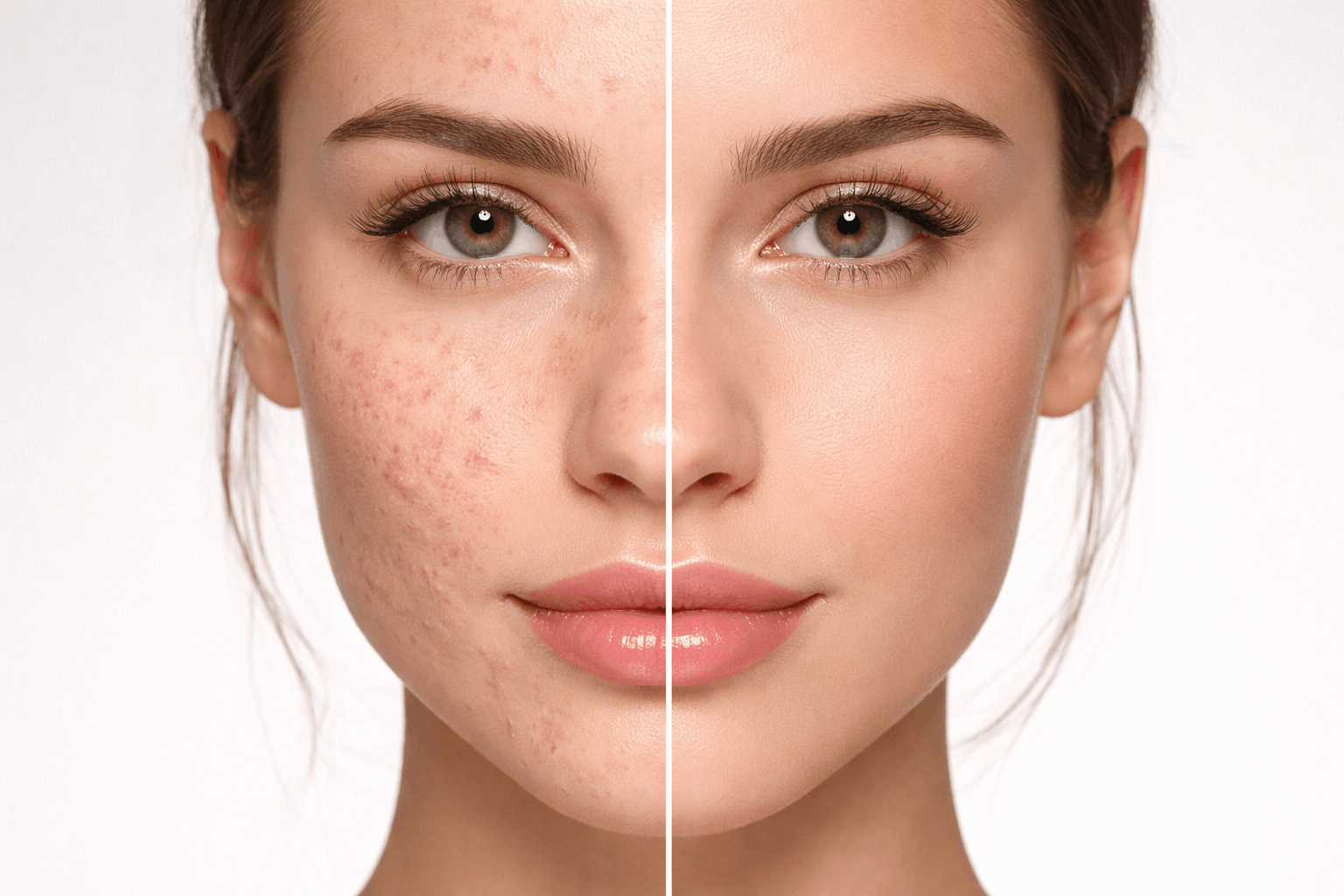
Scars are more than just marks on skin. For millions of people, they are daily reminders of painful experiences, acne battles that lasted years, accidents, surgeries, childbirth, or skin conditions that left their mark long after the original wound healed. A scar on a visible area, such as the face, neck, chest, or arms, can quietly affect confidence, influence how someone presents themselves in professional and social settings, and even impact mental well-being in profound ways.
People spend years and considerable sums of money trying topical creams, home remedies, and over-the-counter treatments that promise visible improvement but rarely deliver meaningful results. The frustrating truth is that most superficial treatments cannot penetrate deep enough into the dermis to remodel the structural tissue changes that create scars in the first place.
That is where laser skin resurfacing changes everything. Unlike topical treatments that sit on the skin’s surface, laser technology works at a cellular and structural level, triggering the body’s own healing mechanisms to rebuild collagen, smooth irregular texture, reduce discoloration, and gradually fade the appearance of scars in a way that no cream or serum can replicate.
At Caviar by Dr. Ambreen Roshan, one of Karachi’s most respected aesthetic clinics, laser treatments are performed using internationally certified, FDA-approved technology with clinical precision. This comprehensive guide explains exactly how laser skin resurfacing works for scar reduction, what types of scars can be treated, what the process looks like from consultation to recovery, and how to maximize your results with smart aftercare and complementary treatments.
What Is Laser Skin Resurfacing? The Science Explained Simply
Laser skin resurfacing is a medical aesthetic procedure that uses concentrated beams of light energy to precisely target and treat damaged or irregular skin tissue. The word “laser” stands for Light Amplification by Stimulated Emission of Radiation, but beyond the technical name, what matters practically is that lasers deliver controlled energy to very specific depths within the skin, without damaging surrounding healthy tissue.
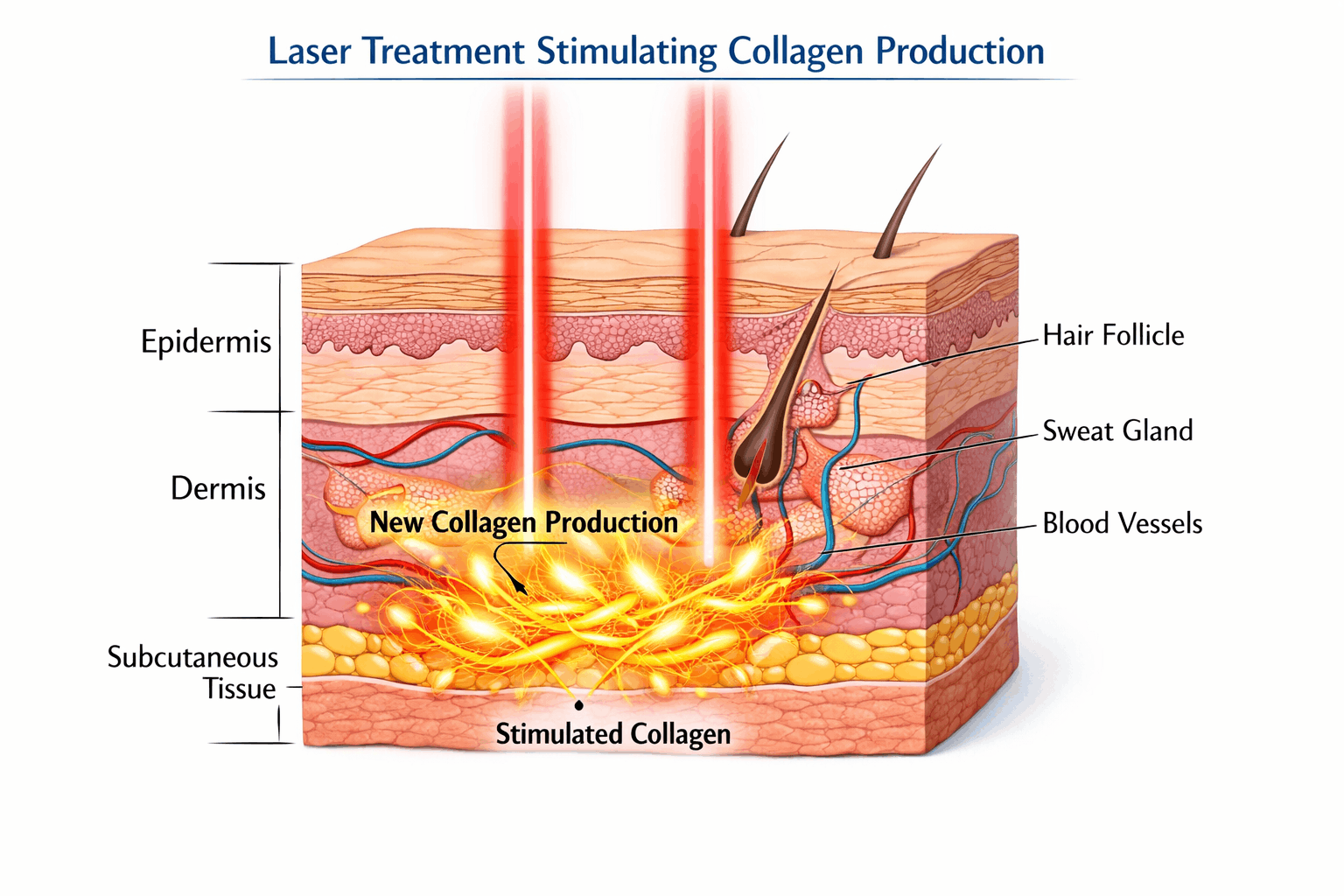
When a laser beam contacts the skin, one of two things happens depending on the wavelength and type of laser used. In ablative laser resurfacing, the laser literally vaporizes the outermost layer of damaged skin (the epidermis) while simultaneously heating the deeper dermis to stimulate collagen production. This creates a controlled wound-healing response in which the body replaces the removed tissue with fresh, smoother, more evenly textured skin. In non-ablative laser resurfacing, the laser bypasses the surface skin entirely and delivers heat energy directly into the dermis to stimulate collagen remodeling without removing any surface tissue meaning virtually no visible downtime.
Both approaches trigger what is known as neocollagenesis, the process by which the body synthesizes new collagen fibers in response to controlled thermal injury. Collagen is the structural protein that gives skin its firmness, smoothness, and resilience. Scars form when collagen is laid down in a disorganized, irregular pattern during wound healing. Laser energy disrupts those disorganized fibers and prompts the body to rebuild them in a more organized, aligned structure, which is what creates the visible smoothing and softening of scars over time.
The depth of laser penetration, the wavelength used, and the density of treatment spots all determine how aggressively the skin is treated, which in turn dictates how dramatic the results are and how much recovery time is involved. This is why working with a skilled, experienced practitioner who can calibrate these parameters to your specific scar type and skin tone is so important.
How Scars Form: Understanding What Laser Treatments Are Actually Targeting
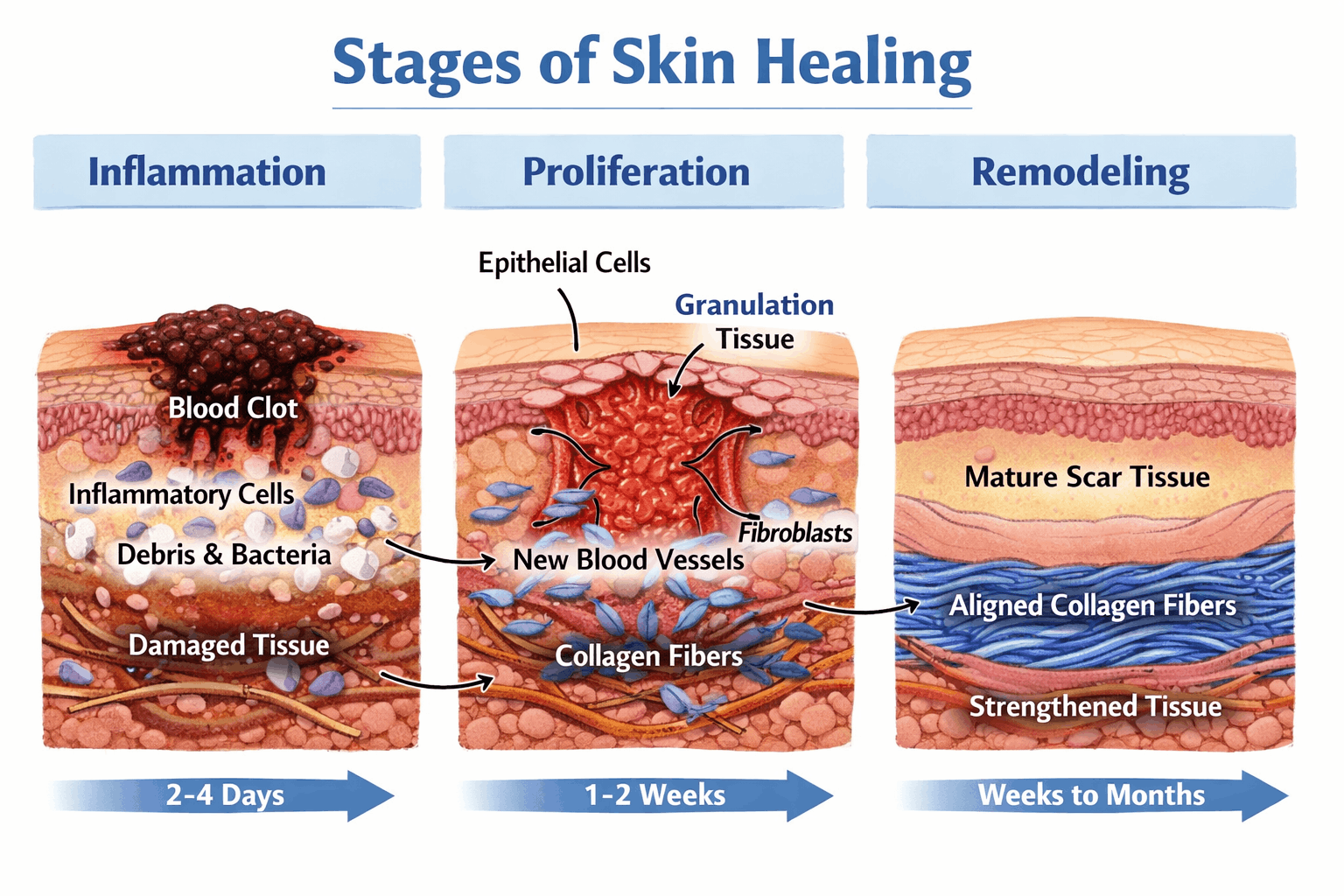
To truly understand how laser resurfacing helps reduce scars, it is essential to understand how scars form biologically. When the skin suffers an injury, whether from a wound, surgery, burn, or severe acne, the body launches a three-phase repair process: inflammation, proliferation, and remodeling.
In the inflammation phase, blood vessels dilate, and immune cells rush to the site to prevent infection and clear cellular debris. This is what causes the redness, swelling, and heat you notice immediately after an injury.
In the proliferation phase, fibroblast cells in the dermis begin rapidly producing collagen to close the wound. This phase produces the initial scar tissue. The problem is that the body prioritizes speed over aesthetics during this phase, it lays down collagen quickly and in random directions rather than in the organized patterns of normal, healthy skin.
In the remodeling phase, which can last for 12 to 24 months after an injury, the body gradually reorganizes this collagen matrix. However, this natural remodeling process is imperfect and rarely fully restores the skin to its original smoothness. This is why scars persist long after the wound itself has healed.
Different types of scars present different challenges. Atrophic scars, which include the rolling, boxcar, and icepick scars commonly associated with acne, form when there is a net loss of collagen and tissue volume, creating depressions in the skin. Hypertrophic scars form when the body overproduces collagen, creating raised, firm scar tissue within the boundaries of the original wound. Keloid scars are similar but extend beyond the wound boundaries and can continue growing over time. Post-inflammatory hyperpigmentation (PIH) is not technically a scar but often accompanies scar tissue. It is the dark discoloration left behind after inflammation resolves.
Laser resurfacing addresses each of these conditions differently, which is why a thorough assessment and customized treatment plan are essential before any laser procedure begins.
Types of Laser Treatments Used for Scar Reduction
Not all lasers are equal, and not all lasers treat all scar types equally well. Understanding the different laser technologies available and which one is best suited for your specific concern is one of the most important factors in achieving satisfying results.
Q-Switch Laser: The Gold Standard for Pigmentation and Post-Inflammatory Marks
The Q-switch laser is a non-ablative, high-energy pulsed laser that delivers extremely short bursts of light energy in nanoseconds. At Caviar, we use the Helios III Q-switch machine, a clinically advanced system that operates across multiple wavelengths, typically 1064nm and 532nm, allowing it to address both deep and surface-level pigmentation concerns.
For scar reduction, the Q-switch laser is particularly effective at treating post-inflammatory hyperpigmentation, the dark spots and uneven discoloration that frequently accompany acne scars or healed wounds. The laser energy is selectively absorbed by melanin, the pigment responsible for dark marks fragmenting the pigment particles into tiny pieces that the body’s immune cells can then clear away naturally through the lymphatic system. Over a series of sessions, this progressively lightens dark scar marks and evens out overall skin tone.
Additionally, the heat delivered by Q-switch lasers stimulates dermal collagen, making it valuable not only for pigmentation but also for gradually improving the texture and depth of shallow atrophic scars. It is a versatile workhorse in any scar treatment program and is suitable for a wide range of skin types when used with appropriate parameters.
Revlite Laser by Cynosure: Precision Skin Rejuvenation
The Revlite laser by Cynosure, available at Caviar, is a multi-wavelength Q-switched Nd:YAG laser that is widely regarded as one of the most versatile platforms in aesthetic medicine. Its PhotoAcoustic Technology Pulse (PTP) mode delivers energy in a way that maximizes thermal effect in the dermis while minimizing surface disruption, an ideal balance for scar reduction with minimal downtime.
Revlite is particularly well-suited for acne scar treatment, surgical scar reduction, and overall skin texture improvement. It stimulates robust collagen remodeling and can treat both the structural irregularity of the scar and any associated pigmentation in the same session. Multiple treatments spaced 3 to 4 weeks apart typically yield progressive and cumulative improvement. Most patients notice meaningful changes after 3 to 6 sessions.
Fractional Laser Resurfacing: Maximum Impact for Deep Scars
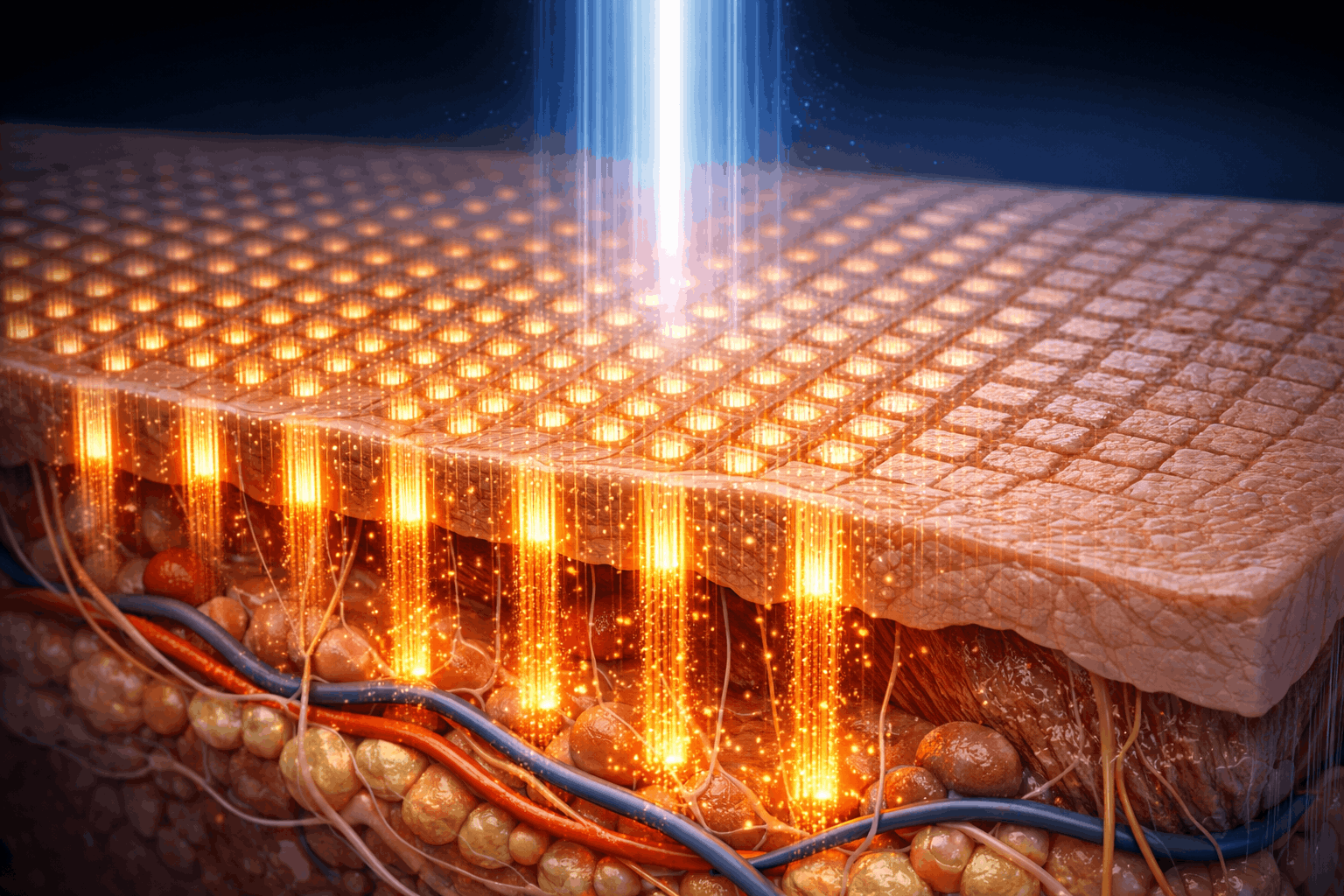
Fractional laser technology represents one of the most significant advances in laser scar treatment. Rather than treating 100% of the skin surface in one pass, which would require prolonged recovery, fractional lasers treat a fraction of the skin at a time, creating thousands of microscopic treatment zones (called microthermal zones or MTZs) surrounded by untreated, healthy skin.
This fractionated approach is transformative for recovery. Because the surrounding healthy tissue remains intact, it rapidly migrates into the treated zones and accelerates healing meaning the skin recovers significantly faster than with traditional fully ablative lasers, while still achieving deep dermal remodeling. The untreated columns of skin also contain keratinocytes and fibroblasts that act as reservoirs for accelerated repair.
Fractional lasers can be either ablative (like fractional CO2 or fractional Erbium) or non-ablative (like fractional Nd:YAG). Ablative fractional lasers produce more dramatic results but require 5 to 7 days of visible downtime, while non-ablative fractional systems deliver strong collagen stimulation with only 1 to 2 days of mild redness. For deep, pitted acne scars and textured surgical scars, ablative fractional resurfacing often produces the most significant structural improvement.
Morpheus 8: Radiofrequency Microneedling for Deep Scar Remodeling
While technically a combination of radiofrequency energy and microneedling rather than a pure laser, Morpheus 8 deserves mention in any comprehensive guide to scar reduction because of its remarkable efficacy in treating deep, pitted scars. Morpheus 8 inserts fine microneedles into the dermis and delivers radiofrequency energy directly at the depth of the scar tissue, triggering deep collagen remodeling that surface lasers cannot reach. For patients with significant atrophic acne scars, combining laser treatments with Morpheus 8 sessions can yield results that neither technology achieves independently.
Types of Scars That Respond Best to Laser Treatment
One of the most common questions patients ask is whether their specific type of scar is treatable with lasers. The answer varies depending on the scar type, depth, age, location, and the patient’s skin tone, but here is a detailed overview of how laser resurfacing addresses the most common categories:
Acne Scars
Acne scars are arguably the most common reason patients seek laser scar treatment. They exist on a spectrum of severity, from mild surface-level redness and discoloration to deeply pitted, textured scarring that dramatically alters the skin’s appearance. The three main structural types of rolling scars (broad, shallow depressions with sloping edges), boxcar scars (wider depressions with defined vertical edges), and icepick scars (narrow, deep tunnels that extend into the dermis) respond differently to laser energy.
Rolling and boxcar scars typically respond very well to fractional and Q-switch laser resurfacing because their depth is within the reachable range of laser energy, and their broad surface area allows collagen stimulation to fill them from within. Icepick scars, being very narrow and deep, sometimes benefit more from a combined approach such as the TCA CROSS technique (a precise chemical application) followed by laser resurfacing in subsequent sessions.
For the best outcomes in acne scar treatment, most patients require between 4 and 8 laser sessions, spaced several weeks apart, with ongoing collagen stimulation between sessions. Combining laser treatments with Face PRP therapy, which floods the treatment area with growth factors from the patient’s own blood, dramatically accelerates collagen synthesis and improves overall skin healing between sessions.
Post-Surgical Scars
Surgical scars from procedures ranging from C-sections and appendectomies to cosmetic surgeries can leave raised, discolored, or textured marks that persist for years. Laser resurfacing helps by breaking down the disorganized collagen in these scars, reducing redness and pigmentation, flattening raised areas, and encouraging the skin to produce smoother replacement tissue. Early treatment (once the wound has fully closed, typically 6 to 8 weeks post-surgery) tends to produce the best outcomes, though even old, mature scars can see meaningful improvement with laser treatment.
Burn Scars
Burn scars present complex challenges because they often involve damage at multiple skin depths and can exhibit a combination of atrophic, hypertrophic, and hyperpigmented characteristics simultaneously. Laser resurfacing, particularly fractional ablative lasers, has shown strong clinical results in improving the texture, suppleness, color, and overall aesthetic appearance of burn scars. Treatment must be approached conservatively and progressively to avoid triggering scar recurrence.
Stretch Marks (Striae)
Stretch marks, known medically as striae distensae, are a form of dermal scarring that occurs when rapid stretching of the skin exceeds its elasticity, causing collagen and elastin fibers in the dermis to tear. Fresh stretch marks (striae rubra) are red or purple and respond particularly well to laser treatment because they still contain active blood vessels that can be targeted by the laser. Older stretch marks (striae alba) are pale and silvery and are harder to treat but can still be improved with a course of fractional laser resurfacing focused on stimulating new collagen in the depressed, thinned tissue.
Traumatic and Injury Scars
Scars from falls, cuts, road accidents, and other traumatic injuries vary enormously in their characteristics. The longer a scar has been present, the more the collagen has matured and organized, which generally makes it somewhat harder to treat, but by no means untreatable. Laser resurfacing can reduce the color contrast between scar tissue and surrounding skin, improve surface texture, and, in many cases, make scars significantly less noticeable even decades after the original injury.
The Laser Scar Treatment Process at Caviar: What to Expect Step by Step
Understanding what the treatment journey looks like from start to finish helps patients feel informed, prepared, and confident. Here is a step-by-step walkthrough of what you can expect when you pursue laser scar reduction at Caviar.
Step 1: Comprehensive Skin Consultation and Assessment
Every treatment at Caviar begins with a thorough one-on-one consultation with Dr. Ambreen Roshan or a senior member of the clinical team. During this consultation, your scars are assessed for type, depth, age, color, texture, and location. Your overall skin health, tone, and history of previous treatments are also discussed. This is not a surface-level assessment. Caviar uses Smart Magic Mirror Skin Analysis technology, a 360° AI-powered facial imaging system that captures high-resolution scans under multiple light modes, including UV light, which can reveal sub-surface pigmentation and skin damage that is not visible to the naked eye.
Based on this comprehensive data, your practitioner will design a personalized treatment plan including the specific laser technology most appropriate for your scar type, the recommended number of sessions, the interval between sessions, and any complementary treatments that would enhance your results.
Step 2: Pre-Treatment Preparation
For most laser scar treatments, some preparation in the weeks leading up to your first session helps maximize results and minimize risk. This typically includes avoiding unprotected sun exposure (which can increase the risk of post-treatment hyperpigmentation), discontinuing certain skincare ingredients like retinoids and exfoliating acids approximately one week before treatment, and, in some cases, using a prescribed brightening cream to suppress melanin activity in the treatment area beforehand, particularly for patients with medium to deeper skin tones.
Staying well hydrated, avoiding smoking, and maintaining healthy nutrition in the weeks before your sessions all support faster healing and better collagen production outcomes.
Step 3: The Treatment Session
On the day of your laser session, the treatment area is cleansed thoroughly, and a topical anesthetic cream is applied and left to take effect for 20 to 45 minutes, ensuring maximum comfort during the procedure. Protective eyewear is provided for both the patient and practitioner.
The laser handpiece is then systematically passed over the treatment area in overlapping passes. Depending on the size of the area being treated and the laser system used, a single session typically takes between 20 and 60 minutes. Most patients describe the sensation as a warm, prickling feeling similar to the snap of a rubber band against the skin which is well tolerated under topical anesthesia.
Immediately following the session, the treated area is cooled, and a soothing, healing cream is applied. Some redness and mild swelling are expected and are completely normal. These are signs that the laser energy has successfully activated the skin’s healing cascade.
Step 4: Post-Treatment Care and Recovery
Proper aftercare is not optional; it is one of the most important determinants of how good your final results will be. In the first 24 to 48 hours after treatment, the skin should be kept cool, clean, and moisturized. Avoid touching the face unnecessarily, picking at any peeling skin, and exposing the treated area to heat (including saunas, steam rooms, and hot showers).
For non-ablative laser treatments, visible redness typically subsides within 1 to 3 days, and patients can resume their normal routines almost immediately. For ablative fractional laser treatments, expect 5 to 7 days of more significant redness, peeling, and sensitivity as the old skin sheds and fresh, renewed skin surfaces.
Sun protection is absolutely non-negotiable throughout the entire course of laser scar treatment and ideally for life afterward. UV exposure can trigger post-inflammatory hyperpigmentation that not only undoes your scar treatment progress but can also create new pigmentation issues. A broad-spectrum SPF 50 sunscreen applied every morning (and reapplied every two hours during outdoor exposure) is a requirement, not a suggestion.
Step 5: Supporting Recovery with Complementary Treatments
The period between laser sessions is a valuable time that can be used to enhance and accelerate results. Incorporating microneedling with PRP between laser sessions creates a powerful synergy. The microneedling channels allow PRP growth factors to penetrate deeply into the dermis, amplifying collagen production and accelerating scar tissue remodeling. Many patients at Caviar follow a protocol that alternates laser sessions with PRP microneedling sessions for maximally comprehensive results.
A HydraFacial treatment in the week before a laser session helps ensure the skin is well-hydrated, prepped, and in optimal condition to respond to laser energy. Regular deep cleansing facials also support the ongoing skin health and clarity that makes scar improvements more visible.
For patients whose scars are accompanied by significant skin texture concerns or early signs of aging, combining the laser scar program with technologies like Ultraformer or HIFU can address skin laxity and overall structural quality, simultaneously delivering a more comprehensive skin transformation rather than simply treating the scar in isolation.
How Many Sessions Will You Need? Setting Realistic Expectations
One of the most important conversations in any scar treatment journey is about realistic expectations. Laser resurfacing produces genuine, measurable improvement in scar appearance but it does so gradually, cumulatively, and imperfectly. No laser treatment, regardless of how advanced, will make a scar disappear completely or return the skin to its exact pre-scar state. What laser resurfacing does accomplish is significant and often transformative: scars become shallower, softer, lighter, and far less noticeable to both the patient and others.
The number of sessions required depends on multiple factors: the type, depth, and age of the scar; the laser system used; the patient’s skin type; and how well the skin heals between sessions. As a general guideline, mild surface scarring and post-inflammatory pigmentation may show meaningful improvement in 3 to 4 sessions. Moderate acne scarring typically requires 5 to 8 sessions. Deep, pitted, or extensive scarring may require 8 to 12 sessions or more over the course of 12 to 18 months, potentially combined with complementary procedures.
It is also worth noting that results continue to improve for 3 to 6 months after your final session, as the collagen remodeling triggered by the laser continues to mature and organize beneath the skin’s surface. Patients who are photographed immediately after their last session and then again six months later are often surprised by how much additional improvement occurred in the post-treatment period.
Laser Resurfacing vs Other Scar Treatments: How Does It Compare?
Many patients come to Caviar having already tried other scar treatments. Understanding how laser resurfacing compares to these alternatives helps set an appropriate context.
Chemical Peels such as the Vi Peel, Cosmelan Peel, and Green Sea Peel available at Caviar are highly effective at treating surface-level pigmentation, mild textural irregularities, and post-inflammatory discoloration associated with scars. Chemical peels accelerate cell turnover and promote fresh skin renewal from the outside in. They are an excellent complement to laser treatments and are often used earlier in a treatment program to prepare and refine the skin before more intensive laser sessions begin. However, chemical peels alone cannot achieve the deep dermal collagen remodeling that lasers deliver, making lasers the superior choice for structural scar improvement.
Microneedling is another excellent scar treatment that creates controlled micro-injuries in the dermis to stimulate collagen production. It is gentler than laser resurfacing and can be safely used on all skin types, including deeper skin tones, where certain laser wavelengths require more conservative settings. Microneedling and laser resurfacing are frequently combined because they work through complementary mechanisms. Microneedling triggers collagen through mechanical stimulation, while lasers trigger it through photothermal energy. The combination produces results superior to either treatment alone.
Exosome therapy, an advanced regenerative treatment available through Caviar’s Exosomes service uses nano-sized cellular messengers derived from stem cells to deliver powerful growth factors and signaling molecules deep into the skin. When used in conjunction with laser resurfacing, exosome therapy can dramatically accelerate wound healing, enhance collagen synthesis, and reduce post-treatment downtime. It is particularly valuable for patients with complex scarring, compromised healing capacity, or those seeking to maximize results from each laser session.
Topical creams and serums containing retinoids, niacinamide, vitamin C, or silicone may provide modest, gradual improvement in very superficial scar pigmentation but they cannot penetrate deep enough to restructure the dermal collagen responsible for textured scarring. They are most valuable as maintenance tools used alongside professional treatments rather than standalone solutions.
Laser Skin Resurfacing for Different Skin Tones: What You Need to Know
One topic that deserves careful discussion particularly relevant in the Pakistani context, where skin tones predominantly range from medium to deep, is the relationship between skin tone and laser scar treatment safety.
Darker skin tones contain more melanin, and melanin competes with scar tissue for laser energy absorption. In patients with deeper skin tones, certain laser wavelengths, particularly those with shorter wavelengths like 532nm, carry a higher risk of causing post-inflammatory hyperpigmentation (PIH) if used aggressively. This does not mean that laser scar treatment is unsuitable for darker skin tones it means that treatment must be approached with more conservative settings, specific wavelength choices, longer intervals between sessions, and proper skin preparation to suppress melanin reactivity before and after treatment.
At Caviar, every patient undergoes a thorough skin type assessment using the Fitzpatrick skin typing scale before any laser treatment begins. Our practitioners are specifically trained in treating medium to deep skin tones safely and effectively, and our selection of laser technologies, including the Revlite by Cynosure and the Helios III Q-switch are well-suited for this demographic when used with appropriate protocols. Pre-treatment preparation with tyrosinase inhibitors (brightening agents) and rigorous post-treatment sun protection are standard parts of our protocol for all patients.
Is Laser Skin Resurfacing Safe? Addressing Common Concerns
Safety is naturally a primary concern for anyone considering a laser procedure, and it is entirely appropriate to ask detailed questions before proceeding. When performed by trained, qualified practitioners using calibrated, certified equipment, laser skin resurfacing has an excellent safety profile, but like any medical treatment, it carries a small risk of side effects if proper protocols are not followed.
The most common side effects, redness, swelling, and mild peeling, are expected, temporary, and resolve within a few days to a week, depending on the treatment intensity. The more serious potential risks include post-inflammatory hyperpigmentation (dark marks triggered by the treatment itself, particularly in patients with darker skin tones who receive aggressive treatments without adequate preparation), infection (extremely rare when proper sterile technique is used), prolonged redness (more common with ablative fractional lasers and typically resolves within weeks), and scarring (an exceptionally rare complication associated with improper technique or use of incorrect laser settings).
The best way to minimize risk is to choose a reputable, medically qualified clinic that uses certified equipment, employs experienced practitioners who assess each patient individually, and provides clear pre- and post-treatment protocols. At Caviar, all treatments are overseen by Dr. Ambreen Roshan, a highly qualified aesthetic dermatologist known for her meticulous approach and commitment to patient safety.
Who Is Not a Suitable Candidate for Laser Scar Treatment?
While laser scar resurfacing is appropriate for a wide range of patients, certain conditions require either careful management or temporary avoidance of the procedure. Patients who are pregnant or breastfeeding should postpone laser treatments. Individuals with active skin infections, open wounds, or active acne breakouts in the treatment area should allow these to resolve first. Patients taking photosensitizing medications, certain antibiotics, or Isotretinoin (Accutane) should inform their practitioner, as these can affect laser safety and healing capacity.
Patients with a history of keloid scarring should approach laser treatment with particular caution, as certain laser protocols can stimulate keloid formation. A thorough consultation with Dr. Ambreen Roshan will assess all these factors and ensure that any treatment undertaken is both appropriate and safe for your specific situation.
Enhancing and Maintaining Your Laser Scar Results Long-Term
Achieving great results from laser scar treatment is a process, not a single event. Once your treatment course is complete, smart maintenance keeps your skin in its best condition and prevents new scar concerns from emerging or worsening.
Consistent sun protection remains the single most important ongoing habit for preserving laser results. UV exposure degrades collagen, triggers pigmentation, and can reactivate scar tissue. Daily SPF 50 application is non-negotiable.
Periodic skin maintenance treatments at Caviar, such as HydraFacial sessions for deep hydration and cleansing, chemical peels for ongoing skin renewal, or mesotherapy treatments for skin nutrition and vitality, keep the skin operating at its highest functional capacity and maintain the smooth, clear results achieved during your laser program.
Managing active acne is particularly important for patients who have sought laser treatment for acne scars. If active acne breakouts continue uncontrolled after treatment, new scars will form and undo progress. At Caviar, patients with ongoing acne concerns can discuss a comprehensive acne management plan that addresses the root causes of breakouts alongside scar treatment.
Supporting skin health from within through adequate hydration, a nutrient-rich diet, quality sleep, and stress management all meaningfully impact skin repair capacity and collagen production. Vitamin C (internally and topically), zinc, and omega-3 fatty acids all support the biochemical processes underlying scar remodeling.
Frequently Asked Questions About Laser Scar Treatment
How long does it take to see results from laser scar treatment?
Initial improvements, particularly in pigmentation and skin tone, are often visible after the first 2 to 3 sessions. Structural improvements in scar depth and texture typically become progressively noticeable from the 3rd session onward, with results continuing to develop for 3 to 6 months after the final session as collagen matures.
Is laser scar treatment painful?
The procedure is performed with a topical anesthetic cream applied 20 to 45 minutes before treatment, making the sensation manageable for virtually all patients. Most describe it as a mild warmth or prickling sensation rather than significant pain.
Can old scars be treated with lasers?
Yes. While fresh scars (under two years old) tend to respond faster, mature scars, even decades old, can still be meaningfully improved with laser resurfacing. Older scars may simply require more sessions to achieve the same degree of improvement.
Can I wear makeup after laser scar treatment?
For non-ablative laser treatments, mineral makeup can typically be worn after 24 hours. For ablative fractional treatments, it is advisable to wait until the skin has fully finished peeling, usually 5 to 7 days, before applying makeup.
Is laser scar treatment suitable for men?
Absolutely. Laser scar treatment is equally effective and appropriate for men. Acne scarring, traumatic scars, and surgical scars in men respond to laser resurfacing in exactly the same way as in women.
How much does laser scar treatment cost in Karachi?
Treatment costs vary depending on the laser system used, the area being treated, and the number of sessions required. A personalized consultation at Caviar will provide a detailed, transparent treatment plan with clear pricing tailored to your specific needs.
Conclusion: Reclaiming Your Skin’s Story
Scars tell a story, but you get to decide whether that story defines how you feel about your skin. Laser skin resurfacing offers one of the most clinically validated, scientifically sound pathways to meaningful scar reduction available in modern aesthetic medicine. It works by engaging the skin’s own healing intelligence, stimulating it to rebuild collagen more effectively and organize it more beautifully than it did during the original wound healing process.
The results are not magical or instantaneous; they are the product of carefully applied science, advanced technology, skilled hands, and a patient commitment to the process. But for the vast majority of patients who complete a well-designed laser scar treatment program, the transformation is significant, confidence-restoring, and genuinely life-improving.
At Caviar by Dr. Ambreen Roshan, we believe that every patient deserves to feel comfortable and confident in their skin. Our laser treatments, combined with our broader range of advanced aesthetic services, are designed to help you achieve exactly that with safety, precision, and a deeply personalized approach that reflects who you are and what you deserve.
If you are ready to take the first step toward smoother, clearer, scar-reduced skin, we invite you to book a consultation with our expert team today. Your skin’s best chapter is still ahead.