

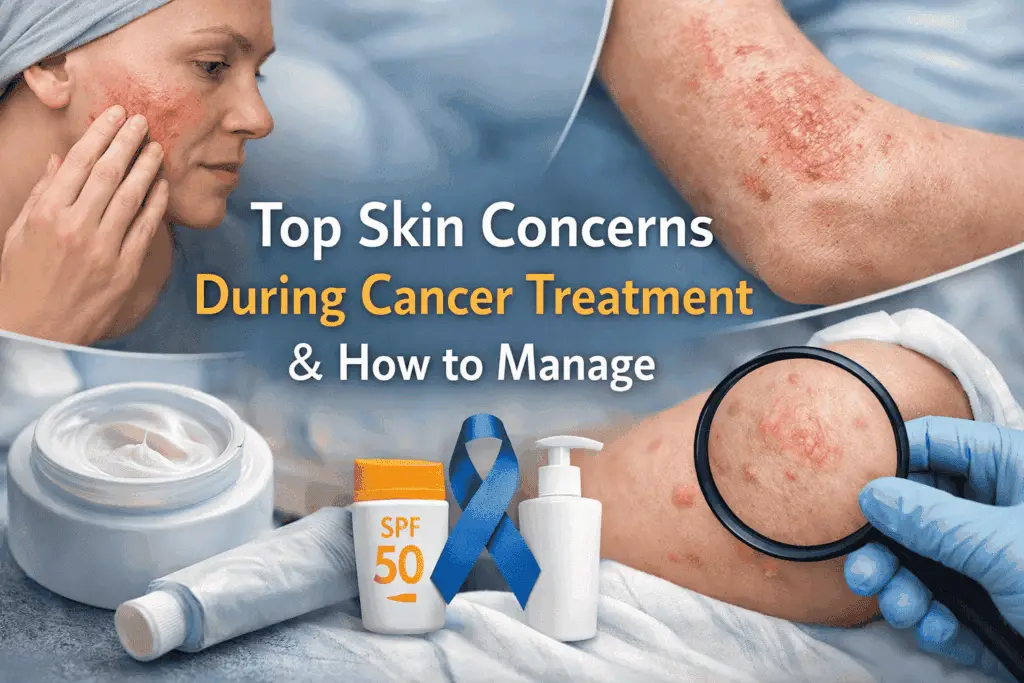
1. Introduction – Why Skin Care Matters During Cancer Treatment
When you or a loved one faces a cancer diagnosis, managing the disease itself naturally becomes the top priority. Yet the skin your body’s largest organ bears much of the burden of treatment side effects in ways that profoundly affect daily comfort, self-image, and quality of life.
Research shows that up to 90% of cancer patients undergoing chemotherapy, radiation, immunotherapy, or targeted therapy experience at least one skin-related side effect. Left unmanaged, these changes can lead to infections, forced treatment interruptions, and significant emotional distress.
Most online resources offer only generic “moisturize and avoid the sun” advice. This guide goes further covering every major skin concern linked to cancer treatment, the specific ingredients that help or harm, a day-by-day routine, nutritional strategies, and the psychological dimension that competitors routinely miss.
KEY STAT: Studies published in Oncology Nursing Forum (2020) found that proactive skin-care education reduces severe skin toxicity by up to 45% in patients on targeted therapy.
How Different Cancer Treatments Affect Your Skin
Not all cancer treatments damage skin in the same way. Understanding which treatment you are receiving helps you anticipate and prevent specific reactions.
| Treatment Type | Primary Skin Mechanism | Most Common Skin Side Effects |
| Chemotherapy | Damages rapidly dividing cells including skin, hair follicles & nails | Dry skin, hyperpigmentation, nail brittleness, photosensitivity, hand-foot syndrome |
| Radiation Therapy | Ionizing radiation breaks DNA in treated area, triggering inflammation | Radiation dermatitis, moist desquamation, fibrosis, radiation recall |
| Immunotherapy | Activates immune system which can attack healthy skin cells | Maculopapular rash, vitiligo-like depigmentation, severe pruritus, lichenoid reactions |
| Targeted Therapy (EGFR/VEGF inhibitors) | Blocks growth factor receptors also present in skin epithelium | Acneiform/papulopustular rash (EGFR), hand-foot skin reaction, paronychia, xerosis |
| Hormone Therapy | Lowers estrogen/testosterone hormones that maintain skin moisture and elasticity | Extreme dryness, thinning skin, hot-flash flushing, increased bruising |
| Stem Cell Transplant | Graft-versus-host disease (GVHD) creates immune attack on skin | Diffuse rash, blistering, skin thickening/sclerosis, severe dryness |
Important Note: Some rashes particularly papulopustular rash caused by EGFR inhibitors can actually be a marker of treatment effectiveness. Research shows a correlation between the severity of the rash and tumor response. This does NOT mean you should ignore skin reactions; always report them promptly to your oncology team.
Top 10 Skin Concerns During Cancer Treatment
Below is an in-depth look at each major skin concern including the science behind why it happens, how serious it can become, and practical, evidence-based management steps.
Extreme Dry Skin (Xerosis)
Chemotherapy and targeted therapies disrupt the skin’s natural oil production and compromise the outer protective layer (the stratum corneum). Within a few weeks of starting treatment, patients often notice their skin feeling tight, rough, and prone to fine cracks especially around knuckles, elbows, heels, and the corners of the mouth.
Warning Signs of Severe Xerosis
- Deep cracks (fissures) that bleed, particularly on the palms or heels
- Skin that peels in thick layers
- Painful, cracked skin around the fingernails
- Any signs of infection: redness, warmth, oozing, or fever
Management Strategies
- Apply a thick, fragrance-free cream within 3 minutes of bathing while skin is still damp this locks in moisture up to 3× more effectively than dry application
- Choose creams over lotions (creams have less water, more oil better barrier repair)
- Look for ingredients: ceramides, shea butter, glycerin, hyaluronic acid, colloidal oatmeal
- For cracked heels and palms: urea 10–20% cream (prescription strength may be needed) or lactic acid 5–12% lotion after consulting your care team
- Use a humidifier at home aim for 40–60% indoor humidity
- Drink 8–10 glasses of water daily (confirm safe quantity with your care team)
- Avoid long, hot showers; use lukewarm water for no more than 10 minutes
Once your treatment stabilises, a HydraFacial can restore deep hydration and glow to chemo-compromised skin — read how it works → Is HydraFacial Safe for Sensitive Skin?
Radiation Dermatitis
Radiation dermatitis affects virtually every patient receiving external-beam radiotherapy. It typically begins within 2–3 weeks of starting treatment and peaks 1–2 weeks after completing it. Severity is graded 1–4: Grade 1 (mild redness) to Grade 4 (deep ulceration).
| Grade | Appearance | What to Do |
| 1 | Faint redness (erythema), mild dryness | Gentle moisturizer, avoid irritants, continue monitoring |
| 2 | Moderate redness, patchy moist desquamation, edema | Medical-grade barrier cream (e.g., Aquaphor), non-adherent dressings in skinfolds |
| 3 | Confluent moist desquamation, pitting edema | Notify care team immediately; silver-containing wound dressings, systemic pain management |
| 4 | Deep ulceration, skin necrosis | Urgent medical intervention possible treatment break |
Key Rules for Radiation Skin Care
- In the treated area: use only what your radiation care team approves
- Pat never rub the area dry after washing
- Avoid aluminum-based antiperspirants if the axilla is in the treatment field
- Protect the treated area from direct sun for at least 12 months after completing radiation
- Wear loose-fitting, natural-fiber clothing over the treated zone
EGFR-Related Papulopustular (Acne-Like) Rash
EGFR inhibitors (cetuximab, erlotinib, gefitinib, etc.) produce a distinctive pimple-like rash on the face, scalp, chest, and back in 60–80% of patients. Unlike acne, this rash is not caused by bacteria or clogged pores it is a direct result of EGFR pathway inhibition in skin cells. Standard over-the-counter acne products can severely worsen it.
⚠NEVER use salicylic acid, benzoyl peroxide, or retinol-based products on EGFR-related rash. These are acne treatments that damage an already-compromised skin barrier and will intensify burning and irritation.
Evidence-Based Management
- Grade 1–2: Topical 1% hydrocortisone cream + topical minocycline or clindamycin (prescription)
- Grade 3: Oral doxycycline 100 mg twice daily is the current standard of care ask your oncologist
- Soothing, fragrance-free moisturizers applied liberally throughout the day
- Mineral-based sunscreen (zinc oxide or titanium dioxide) SPF 30+ daily
- Avoid picking, squeezing, or scrubbing affected areas
Hand-Foot Syndrome (Palmar-Plantar Erythrodysesthesia — HFS/PPES)
Hand-Foot Syndrome is a frequently under-discussed but debilitating side effect of certain chemotherapy agents (capecitabine, fluorouracil) and multikinase inhibitors (sorafenib, sunitinib). It causes redness, swelling, pain, blistering, and peeling specifically on the palms and soles making everyday tasks like gripping objects or walking extremely painful.
WHY THIS MATTERS:
Studies show that HFS is one of the top reasons patients voluntarily stop chemotherapy. Yet up to 70% of severe HFS cases are preventable with correct prophylactic skin care a fact most competitor blogs completely miss.
Prevention Protocol (Start Before Treatment)
- Begin daily emollient use 1 week BEFORE starting the causative chemotherapy
- Apply urea 20–40% cream to palms and soles every night under cotton gloves/socks
- Avoid tight footwear, high heels, or shoes that cause friction
- Reduce repetitive hand pressure (use foam grips on pens, steering wheel covers)
- Avoid hot water on hands and feet switch to warm or cool
- Do NOT use electric heating pads or heated blankets on affected areas
When HFS Develops Severity Guide
- Grade 1 (numbness/tingling, redness): Intensify moisturizing; avoid irritants
- Grade 2 (painful skin changes affecting activities): Notify care team; topical analgesics may be prescribed
- Grade 3 (severe pain, inability to perform daily tasks): Dose reduction or treatment hold is usually required
Photosensitivity (Abnormal Sun Sensitivity)
Multiple chemotherapy agents (methotrexate, fluorouracil, dacarbazine), targeted therapies, and some antiemetics used during treatment dramatically lower your skin’s UV tolerance. Even brief sun exposure can cause a severe, blistering sunburn in areas that would normally tan safely.
Sun Protection During Cancer Treatment
- Use broad-spectrum SPF 50+ sunscreen daily even on cloudy days and indoors near windows
- Reapply every 2 hours when outdoors
- Choose mineral sunscreens (zinc oxide, titanium dioxide) they are less irritating than chemical filters
- Wear UV-protective clothing: UPF 50+ shirts, wide-brim hats, UV-blocking sunglasses
- Avoid peak sun hours: 10 a.m.–4 p.m.
- Be aware that tanning beds, tanning lamps, and phototherapy spas are absolutely contraindicated
Hyperpigmentation & Skin Colour Changes
Many chemotherapy agents stimulate melanocytes (pigment cells) as a side effect, causing darkening along veins used for IV infusion, darkening of the nail beds, patchy facial pigmentation, or diffuse “post-inflammatory” darkening after rash resolution. These changes can be emotionally distressing, particularly for patients with darker skin tones.
Most hyperpigmentation fades within 6–12 months after treatment ends. During treatment, avoid any lightening creams containing hydroquinone, kojic acid, or retinoids without explicit oncologist approval, as these can increase photosensitivity and irritation.
Management
- Daily SPF 50+ sunscreen is the single most effective way to prevent post-inflammatory hyperpigmentation from worsening
- Niacinamide (vitamin B3) 5% serums are generally safe and can modestly reduce pigmentation over time
- Consult your oncologist and dermatologist before using any treatment-focused lightening product
For persistent pigmentation after treatment ends, Cosmelan Peel targets the root cause of melanin overproduction — learn more → Cosmelan Peel
Nail & Cuticle Changes
Nails are extensions of skin and share many of the same side effects. Chemotherapy and targeted therapies commonly cause Beau’s lines (transverse ridges), onycholysis (nail plate separation), subungual hemorrhage (bleeding under the nail), brittleness, discoloration, and painful paronychia (nail fold infection) especially with taxanes and EGFR inhibitors.
Nail Care Protocol
- Keep nails trimmed short and filed smooth long nails snag and increase separation risk
- Wear gloves for all household cleaning, gardening, and dishwashing
- Apply a nail-strengthening vitamin E oil or urea 5% nail solution nightly
- Never use acrylic nails, gel overlays, or nail wraps during treatment they trap moisture and bacteria
- For paronychia: warm water soaks 3× daily + topical antibiotic (seek prescription from care team)
- Wear comfortable, wide-toe shoes to reduce nail pressure
Pruritus (Severe Itching)
Itching during cancer treatment can range from mildly annoying to entirely sleep-disrupting. It may accompany dry skin, EGFR rash, immunotherapy reactions, or cholestatic effects of certain drugs. Chronic scratching damages the skin barrier and dramatically increases infection risk.
Relief Strategies
- Apply cold packs or chilled, damp cloths to itchy areas for 10-minute intervals cold sensation interrupts the itch-scratch cycle
- Use colloidal oatmeal body wash and bath soaks FDA-recognized for itch relief
- Apply menthol 1% cream for temporary relief (avoid on irritated or open skin)
- For systemic pruritus: oral antihistamines (cetirizine, loratadine) are generally safe confirm with your care team
- AVOID: scratching (use gentle pressure instead), alcohol-based products, fragrance, hot water
Radiation Recall Reaction
This poorly understood but significant reaction occurs when chemotherapy administered after prior radiation therapy triggers a sudden, severe inflammatory response in the previously irradiated skin sometimes months or even years later. Common culprits include gemcitabine, taxanes, and anthracyclines.
⚠ Radiation recall can mimic cellulitis or a skin infection. If you develop sudden redness, blistering, or pain in a previously irradiated area after receiving new chemotherapy, contact your oncology team the same day. This is NOT a normal reaction and often requires temporary treatment modification.
Graft-versus-Host Disease (GVHD) Skin Manifestations
In patients receiving allogeneic stem cell transplants, donor immune cells can attack the patient’s skin, causing acute GVHD (maculopapular rash, blistering) or chronic GVHD (skin thickening, sclerosis, similar in appearance to scleroderma). Chronic GVHD of the skin can persist for years and significantly impacts quality of life.
Management of GVHD skin is highly individualized and must be supervised by the transplant team. General principles include aggressive moisturization, photoprotection, and under medical supervision topical or systemic immunosuppressants.
Skincare Ingredients: What to Use & What to Avoid
Many skincare products marketed as “natural” or “gentle” contain ingredients that are genuinely harmful for cancer-treatment-sensitized skin. The following tables give you an at-a-glance guide.
SAFE & BENEFICIAL Ingredients
| Ingredient | Benefit | Best Used For |
| Ceramides (1, 3, 6-II) | Repair and strengthen skin barrier function | Dry skin, radiation dermatitis |
| Glycerin (glycerol) | Powerful humectant draws moisture into the skin | All skin types during treatment |
| Shea Butter | Occlusive emollient; anti-inflammatory fatty acids | Extreme dryness, cracked heels, HFS |
| Hyaluronic Acid | Holds up to 1000× its weight in water | Facial dryness, general hydration |
| Colloidal Oatmeal | Anti-inflammatory, itch-relief, barrier support | Pruritus, eczematous rash, EGFR rash |
| Zinc Oxide | Physical UV filter; also mildly anti-inflammatory | Sunscreen, diaper-rash-like skin folds |
| Niacinamide (B3) | Barrier support, anti-inflammatory, pigment modulation | Hyperpigmentation, sensitive/rash-prone skin |
| Urea (5–20%) | Keratolytic and humectant; softens thickened skin | HFS prevention, thick xerotic skin, nail care |
| Aloe Vera (pure gel) | Cooling, anti-inflammatory if free of additives | Mild radiation dermatitis, sunburn |
4.2 INGREDIENTS TO AVOID During Cancer Treatment
| Ingredient / Category | Why It’s Harmful | Often Found In |
| Fragrances / Parfum | Most common cause of contact dermatitis in sensitive skin | Moisturizers, body washes, deodorants |
| Alcohol (ethanol, SD alcohol) | Strips natural oils, severely dries and damages barrier | Toners, astringents, some hand sanitizers |
| Retinol / Retinoids | Highly irritating to sensitized skin; increases photosensitivity | Anti-aging creams, serums |
| Salicylic / Glycolic Acid | Chemical exfoliants that erode already-thin skin | Acne products, exfoliating toners |
| Benzoyl Peroxide | Oxidizing agent worsens EGFR rash and irritation | Acne washes, spot treatments |
| Talcum Powder | Absorbs moisture in radiation field; increases friction injury | Body powders, baby powder |
| Essential Oils (undiluted) | Potent sensitizers; not regulated for concentration | Natural/organic skincare, aromatherapy |
| Chemical Sunscreen Filters (oxybenzone, avobenzone) | Can irritate damaged skin; choose mineral alternatives | Most commercial sunscreens |
Your Daily Skin-Care Routine During Treatment
Consistency matters more than complexity. A simple, 5-minute routine carried out twice daily is infinitely more effective than an elaborate routine performed irregularly.
Morning Routine
- Cleanse: Use lukewarm water and a pH-balanced, fragrance-free, non-foaming cleanser or just plain water if skin is very reactive
- Pat dry: Use a soft, dedicated towel. Never rub.
- Moisturize: Apply ceramide-rich cream while skin is still slightly damp
- Sunscreen: Apply mineral SPF 50+ to all exposed skin even for indoor activities
- Lips: Use an SPF-containing fragrance-free lip balm
Evening Routine
- Gentle cleanse: Remove sunscreen and any product residue
- Targeted treatment: Apply any prescription creams (topical antibiotics, steroids) as directed
- Intensive moisturizer: Use a thicker balm or ointment (e.g., Aquaphor, CeraVe Healing Ointment) on especially dry areas
- Hands and feet: Urea cream under cotton gloves/socks overnight for HFS prevention
- Nails: Cuticle oil or vitamin E oil around nail folds before bed
Bath & Shower Guidelines
- Temperature: Lukewarm never hot (hot water strips natural oils and dilates blood vessels, worsening redness)
- Duration: Maximum 10 minutes
- Frequency: Once daily is generally sufficient over-washing removes protective oils
- Products: Fragrance-free syndet bar or liquid body wash with a pH near 5.5
- Radiation area: Use only approved products; avoid loofahs and washcloths in the treated zone
- Moisturize within 3 minutes of stepping out
6. Diet & Nutrition to Support Skin Health During Treatment
This section is consistently absent from competitor guides yet nutrition directly influences skin barrier integrity, inflammation levels, wound healing, and overall skin resilience during treatment.
Nutrients That Specifically Benefit Skin
| Nutrient | Role in Skin Health | Food Sources |
| Omega-3 Fatty Acids | Reduce inflammation; strengthen skin lipid barrier | Salmon, sardines, flaxseed, walnuts |
| Vitamin C | Essential for collagen synthesis; antioxidant protection | Bell peppers, strawberries, kiwi, citrus |
| Vitamin E | Membrane-protecting antioxidant; wound healing | Almonds, sunflower seeds, avocado, spinach |
| Zinc | Critical for wound repair and immune skin function | Lean meat, legumes, pumpkin seeds, oats |
| Protein (especially collagen-rich) | Rebuilds damaged skin tissue; prevents infection | Eggs, chicken, fish, Greek yogurt, legumes |
| Vitamin D | Regulates skin-cell proliferation; anti-inflammatory | Fatty fish, fortified milk, eggs (supplement if deficient) |
| Probiotics | Modulate gut-skin axis; reduce systemic inflammation | Yogurt, kefir, kimchi, miso (confirm safety with oncologist) |
Hydration Rules for Skin
- Target: 8–10 glasses (2–2.5 litres) of fluid daily unless restricted by your care team
- Hydrating foods count: watermelon, cucumber, celery, orange, broth-based soups
- Limit: caffeinated drinks and alcohol both increase urinary water loss and skin dryness
- Herbal teas (chamomile, ginger) are excellent and may reduce nausea-related dehydration
Foods to Reduce Skin Inflammation
- Increase: colourful vegetables (beta-carotene, antioxidants), berries (anthocyanins), green tea (EGCG)
- Reduce: ultra-processed foods, refined sugar, saturated fats all drive systemic inflammation
CONSULT FIRST Always discuss dietary supplements with your oncologist before taking them. High-dose vitamins C and E may theoretically interfere with oxidative cancer therapies. A board-certified oncology dietitian (credential: CSO after their name) is your best resource for personalized guidance.
The Emotional & Psychological Impact of Skin Changes
Visible changes to the skin a rash across the face, dark patches, hair and eyebrow loss are among the most psychologically distressing aspects of cancer treatment. Yet this dimension is almost entirely absent from mainstream skin-care resources for cancer patients.
Studies consistently show that appearance-related side effects are independent predictors of anxiety, depression, social withdrawal, and reduced treatment adherence even when the skin changes are objectively mild.
The Skin-Identity Connection
Our skin is central to how we present ourselves to the world. Changes to its texture, colour, and smoothness can feel like a loss of self particularly for patients who valued their appearance professionally or personally. For patients from cultures where “keeping a brave face” carries social expectations, this distress is often compounded by a reluctance to acknowledge it.
What Helps Evidence-Based Strategies
- Look Good Feel Better Programme: A free, charity-run programme specifically designed to address appearance concerns in cancer patients highly effective in clinical trials for reducing distress
- Oncology esthetics consultation: A trained oncology esthetician provides safe facials and skincare guidance specifically for treatment-compromised skin both physical and emotional benefits are documented
- Mirror exposure therapy: Gradually, intentionally viewing changes under positive self-talk has been studied in body image research and may help reduce distress
- Cancer support groups: Shared experience with others who have skin changes reduces shame and isolation
- Brief psychotherapy: Short-term cognitive behavioral therapy (CBT) specifically targeting body image concerns is evidence-based and often covered by oncology social work teams
✔ It is completely valid to feel distressed by how your skin looks during treatment. These are real, significant changes not vanity. Prioritizing your skin health IS part of your cancer care, not a distraction from it.
Pre-Treatment Skin Preparation (An Often-Overlooked Opportunity)
One of the biggest gaps in existing patient resources is guidance on what to do BEFORE cancer treatment begins. Proactive skin preparation can significantly reduce the severity of treatment-related skin side effects.
The 2-Week Pre-Treatment Skin Protocol
- Start moisturizing twice daily immediately build up your skin’s lipid barrier reserves BEFORE treatment strips them
- Introduce ceramide-rich products gradually start using them for 2 weeks before first treatment
- See a dermatologist: If you have pre-existing conditions (eczema, psoriasis, rosacea, history of skin cancer), get these assessed and controlled before treatment amplifies them
- Have a baseline skin photo taken: Document your current skin condition useful for comparing during treatment and identifying new changes
- Audit your current products: Eliminate all fragranced, alcohol-based, or active-ingredient products now
- Get a professional pedicure (if safe): Remove any hardened skin on heels that may crack more deeply during HFS
- Start HFS prevention early: If prescribed capecitabine or sorafenib, begin urea cream application before Day 1
- Dental check: If receiving head/neck radiation, complete dental work first (radiation to the jaw can complicate future dental procedures)
- Sun habits: Start using SPF 50+ daily make it automatic before photosensitivity begins
MD ANDERSON TIP Experts at MD Anderson Cancer Center recommend that patients with a history of eczema, psoriasis, or skin cancer consult a dermatologist specifically before starting immunotherapy or targeted therapy because these treatments can dramatically amplify existing skin conditions.
Post-Treatment Skin Recovery Timeline
Understanding what to expect after treatment ends helps patients avoid the frustration of expecting immediate recovery and plan appropriate ongoing care.
| Timeframe After Treatment | What Typically Happens | What to Do |
| 0–4 Weeks | Skin may continue to worsen initially before improving; radiation reactions peak at 2 weeks post-treatment | Maintain all skincare protocols; do not stop moisturizing |
| 1–3 Months | Rashes begin to resolve; skin dryness gradually improves; nails start to recover | Continue gentle routine; reintroduce mild active ingredients only after consulting dermatologist |
| 3–6 Months | Skin texture largely normalizes; hyperpigmentation begins to fade; hair regrowth starts | Add antioxidant serums (vitamin C); continue daily SPF |
| 6–12 Months | Most changes fully resolve; radiation fibrosis and chronic GVHD may persist | Annual dermatology check; address any persistent changes with specialist |
| 12+ Months | Late radiation effects (telangiectasia, fibrosis) may appear or persist; increased skin cancer risk in radiated areas | Lifelong sun protection on previously irradiated areas; monthly self-skin exams |
Hair that grows back after chemotherapy may have a different texture, colour, or curl pattern than before this is called “chemo curls” and is a temporary phenomenon lasting 6–18 months in most patients.
When to Call Your Doctor Immediately
While most skin side effects are manageable at home, certain signs require urgent medical attention. Knowing these red flags can prevent serious complications.
⚠ CALL YOUR ONCOLOGY TEAM TODAY if you notice any of the following. Do not wait for your next scheduled appointment.
Urgent Red Flags
- A rash that covers more than 30% of your body surface area
- Blistering skin especially if blisters are large or widespread (may indicate Stevens-Johnson Syndrome, a rare but life-threatening reaction to immunotherapy)
- Any rash involving your eyes, mouth, or genitals
- Rash accompanied by fever above 38°C (100.4°F)
- Sudden severe worsening of a previously mild rash
- Signs of skin infection: increasing redness expanding from a wound, warmth, swelling, discharge, red streaks, or systemic fever
- Sudden redness/pain in a previously irradiated area after starting a new chemotherapy (radiation recall)
- Grade 3–4 Hand-Foot Syndrome: blistering, inability to walk or use hands
- Deep skin fissures that are bleeding
- Any new, unusual mole, growth, or lesion particularly in previously irradiated areas
Same-Day Call (Non-Emergency but Urgent)
- Rash that you suspect is an allergic reaction to a new medication
- Nail separation (onycholysis) that is progressing rapidly or appears infected
- Pruritus so severe it is preventing sleep for more than 2–3 consecutive nights
- Skin so dry it is visibly cracking open
Quick-Reference FAQs
Q1: Can I wear makeup during cancer treatment?
Ans: Yes with precautions. Choose fragrance-free, hypoallergenic, mineral-based products. Avoid waterproof makeup (requires harsh removers). Look Good Feel Better provides free makeup tutorials and kits specifically for cancer patients. Always remove makeup gently with micellar water before bedtime.
Q2: Are natural or organic products better for cancer treatment skin?
Ans: Not necessarily. “Natural” products can contain potent allergens (essential oils, plant extracts). What matters is whether a product is fragrance-free, alcohol-free, and tested on sensitive skin not whether it is organic. Always check with your care team before introducing any new product.
Q3: My skin looks fine right now. Should I still start a skincare routine?
Ans: Absolutely yes. Pre-emptive skincare as outlined in Section 8 is far more effective than reactive treatment. Prevention is always easier than treatment in oncology dermatology.
Q4: Can I use a tanning bed after completing radiation therapy?
Ans: No never. UV radiation exposure should be permanently minimized in previously irradiated skin, which carries a lifelong elevated skin cancer risk. Tanning beds deliver very high UV doses and are contraindicated for cancer survivors.
Q5: What is Oncodermatology?
Ans: Oncodermatology is a rapidly growing sub-specialty of dermatology specifically focused on skin conditions in cancer patients both treatment-related toxicities and skin cancers. If your institution has an oncodermatology clinic, early referral can dramatically improve skin-related quality of life during treatment.
Q6: Will my skin ever return to normal?
Ans: For the vast majority of patients, yes most treatment-related skin changes are temporary and resolve within 3–12 months of completing treatment. Some late effects (e.g., mild hyperpigmentation, radiation site changes, altered hair texture) may persist longer. A dermatologist specializing in post-oncology care can offer targeted treatments once active therapy is complete.
Related: