

If you are older than 20 and still dealing with stubborn breakouts, you are not alone. Adult acne is common, frustrating and can knock confidence. In Karachi, we face the same triggers as elsewhere, hormones, stress, diet and skin care mistakes, plus local factors like high humidity or heavy makeup wear that can make things linger. The good news is that there are clear, evidence backed steps you can take when over the counter creams fail.
In this guide, you will find a simple diagnostic mindset, a realistic treatment ladder from gentle fixes to medical options, tips to avoid common traps, and when to seek specialist care. If you want a clinic that combines medical dermatology with aesthetic follow up, consider booking a consultation at Caviar by Dr. Ambreen Roshan, they work with acne patients using both conservative and advanced options tailored to the skin of colour and Pakistani lifestyles.
Below, I explain why adult acne stubbornly returns for many people, what the latest evidence says about diet and hormone treatments, and practical plans you can try in Karachi right away.
Why Adult Acne Can Be Different From Teen Acne
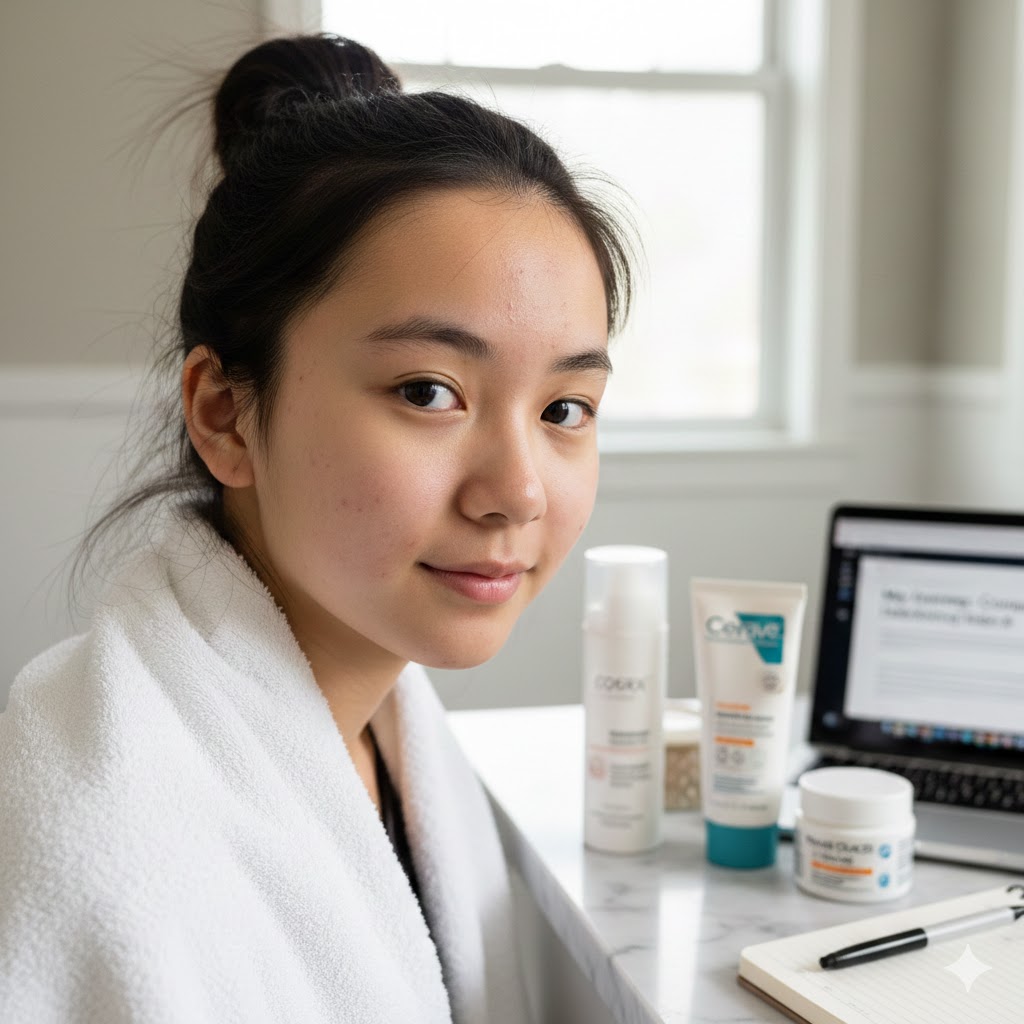
Acne in adults is not just teenage skin hanging on. Adults more often have:
- Hormonal flares around the jawline and chin, often linked to the menstrual cycle or conditions such as polycystic ovary syndrome.
- Inflammatory papules and cysts that scar easily if treated too late.
- Pigmentation and marks that persist longer on darker skin tones, so even a small breakout can leave visible reminders.
Globally, acne affects about 9.4 percent of the population and remains one of the most common skin conditions, which means adult acne is a common reason people seek medical help.
Locally, the numbers show how widespread the problem is among young adults. For example, a recent study of medical students in Pakistan found acne prevalence above 60 percent, which reflects how common acne is in classrooms, offices and city life in Pakistan. That data also highlights the psychological burden this causes for students and young professionals in Karachi.
Step One: Diagnose What’s Actually Happening to Your Skin
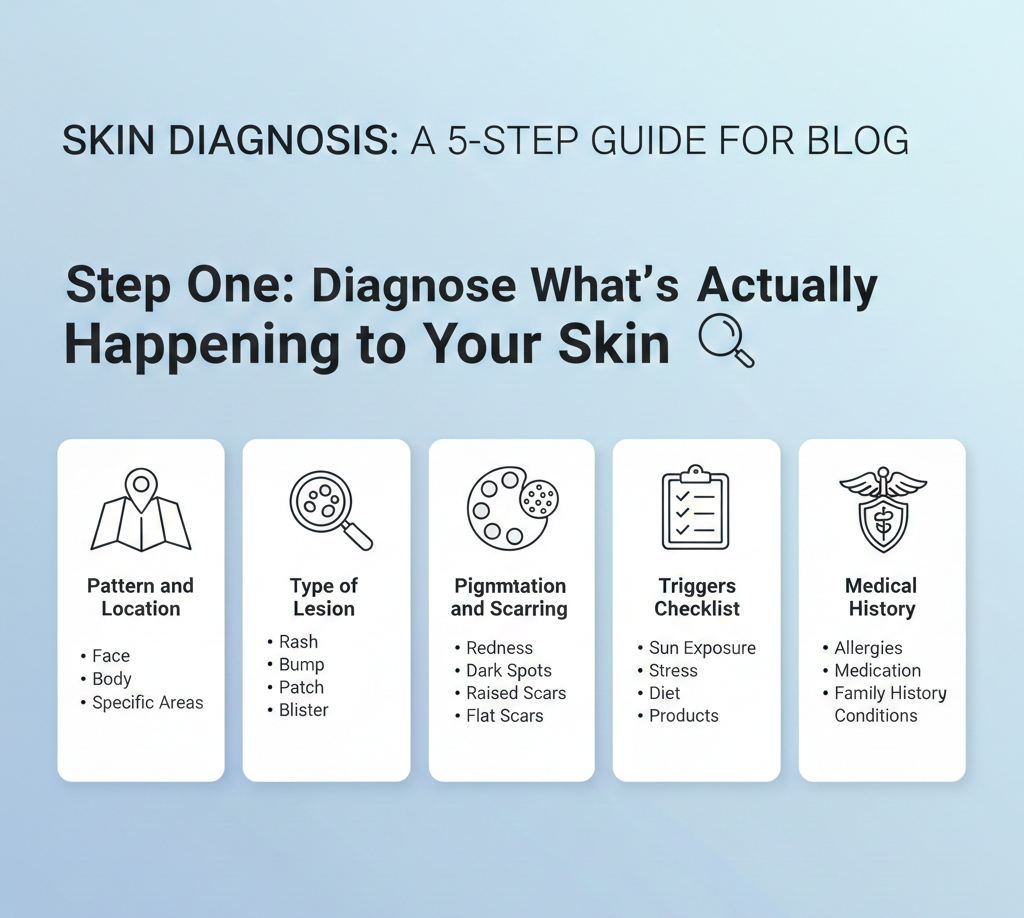
Before buying another product, work through a short checklist to identify the driver of your acne. This will guide treatment.
- Pattern and location: Chin and jawline point toward hormonal acne. Forehead and nose suggest oil and follicular clogging.
- Type of lesion: Blackheads and whiteheads (comedones) need retinoids and exfoliation. Red papules and pustules respond to anti-inflammatory and antibacterial approaches. Deep nodules or cysts usually need medical therapy.
- Pigmentation and Scarring: Darker skin tones are prone to post inflammatory hyperpigmentation, so preventing new pimples is as important as treating existing ones.
- Triggers Checklist: Menstrual cycle, new medications, recent changes in diet, heavy skincare or makeup, thyroid symptoms, poor sleep and stress.
- Medical History: If breakouts began in adulthood and are severe or resistant, check for hormonal conditions such as PCOS with your doctor.
If your acne is painful, leaving deep scars, or linked to irregular periods, make an appointment with a dermatologist so they can assess for hormonal causes and plan safe systemic treatments.
Realistic, Evidence Based Steps That Actually Work
Think of treatment as a ladder. Start conservatively and step up if you are not getting results.
1. Clean, Simple Skincare That Helps, Not Hurts
Many people make acne worse by over scrubbing or using too many actives at once.
- Use a gentle foaming or gel cleanser twice daily. Avoid harsh soaps that strip and rebound with more oil.
- Apply a non comedogenic moisturiser. Even oily skin benefits from light hydration.
- Use a broad spectrum sunscreen daily to prevent dark marks after breakouts. For Karachi, choose a non comedogenic sunscreen with at least SPF 30.
Topical retinoids, benzoyl peroxide and topical antibiotics remain core treatments. Clinical reviews show that combining agents that unclog pores, reduce bacteria and reduce inflammation produces the best results for mild to moderate acne. A common first line combination is a retinoid at night plus benzoyl peroxide in the morning or as advised by your dermatologist.
2. Try Targeted Medical Topicals if Basic Care Fails
Try Targeted Medical Topicals if Basic Care Fails
If basic skincare routines are not enough to control breakouts, targeted medical topicals prescribed by a dermatologist can significantly improve acne outcomes—especially when combined with professional acne treatments at a skin clinic.
Effective prescription options include:
Topical retinoids such as tretinoin or adapalene to normalise cell turnover, prevent clogged pores, and enhance the results of chemical peels for acne treatment.
Azelaic acid for active acne and post-acne pigmentation. It is particularly effective for darker skin tones and has a strong safety profile. Recent clinical reviews highlight azelaic acid as a versatile option for acne and pigmentation, often used alongside laser acne treatments to improve skin clarity and texture.
Combination topical therapies, carefully supervised by a dermatologist, to minimise irritation and maximise results, especially when paired with medical facials for acne-prone skin or advanced dermatology treatments for acne scars.
For moderate to persistent acne, these prescription topicals are most effective when incorporated into a customised acne treatment plan, which may also include chemical peels, laser therapy, or PRP-based skin regeneration for long-term skin improvement.
3. Consider in-clinic Procedures for Stubborn Lesions and Marks
For inflammatory or persistent acne, procedures can accelerate clearance.
- Chemical peels and microneedling can reduce lesions and improve scarring. Asian and darker skin types usually tolerate shallow peels well when performed by an experienced practitioner. Evidence supports the safety and effectiveness of peels in darker skin when chosen and timed correctly.
- Intralesional corticosteroid injections quickly flatten painful nodules.
- Platelet rich plasma has some evidence for improving scars and skin quality, and is used as an adjunct in many clinics.
If you prefer clinic-based options in Karachi, Caviar by Dr. Ambreen Roshan offers combined medical and procedural acne care that focuses on safe treatments for South Asian skin types.
4. When to Use Oral Therapies
If topical measures and procedures are not enough, systemic treatments are the next step.
- Oral Antibiotics: Doxycycline or minocycline are used for short courses to control inflammatory acne, but are not ideal long term because of resistance concerns. Guidelines now emphasise combining antibiotics with topical benzoyl peroxide and limiting duration.
- Hormonal Treatments: For adult women with jawline acne or menstrual flares, combined oral contraceptives or spironolactone can be very effective. A number of trials and reviews support spironolactone as a good alternative to long term antibiotics, with doses commonly in the 50 to 100 mg range under medical supervision. Combined oral contraceptives are another validated option for women who also need contraception.
- Oral Isotretinoin: The most powerful medical therapy for severe or scarring acne or acne that fails standard treatment. It is used under strict medical supervision because of possible side effects and pregnancy risks. Recent guidelines recommend isotretinoin for cases that have not responded to conventional care or where scarring or psychosocial harm is evident.
5. Lifestyle and Diet, What the Evidence Says
You may have seen many claims about diet. The best evidence shows a link between high dairy intake, high glycemic index diets and acne. A meta-analysis found a positive association between milk consumption and acne risk. That does not mean everyone must cut dairy, but reducing skim milk or high sugar foods and choosing low GI carbohydrates can help some people. Stress reduction, sleep and regular exercise also support skin health.
Troubleshooting When Treatment Seems to Fail
If you tried retinoids, benzoyl peroxide and short antibiotics with little benefit, consider these possibilities.
- The diagnosis may be wrong. Conditions such as rosacea, fungal folliculitis or perioral dermatitis can be mistaken for acne.
- Hormonal drivers are being missed. Ask your clinician about evaluating for PCOS or other endocrine issues if acne clusters around the jawline or is associated with irregular periods. Local studies show PCOS is common among women with acne in Pakistan, so screening is reasonable when clinical signs are present.
- Topicals are not used correctly. Many people stop retinoids too soon because of irritation. A slow build up, moisturiser buffering and clinician guidance reduce side effects and improve adherence.
- Overuse of cosmeceuticals and irritating treatments can perpetuate inflammation. Simplify and stick to proven actives while you treat medically.
Prevention of Scarring and Pigmentation
For adults, the cosmetic aftermath is often more distressing than the breakout. Prevent scarring by:
- Treating inflammatory lesions early with medical therapy or intralesional steroids for large nodules.
- Avoiding picking or squeezing. This repeatedly causes deeper injury and pigment.
- Using sunscreen and azelaic acid or niacinamide to reduce post inflammatory hyperpigmentation. Several clinical reviews highlight the role of topical agents and cautious peels for pigmentation in darker skin.
When to See a Specialist and What to Expect
See a dermatologist if your acne is moderate to severe, scars are forming, or you have tried several treatments without improvement. A good specialist will:
- Take a careful history including medication, menstrual cycle and lifestyle.
- Examine the type of lesions and photograph them for monitoring.
- Propose a staged plan that may include topical therapy, short antibiotics or hormonal therapy, procedures and, if necessary, oral isotretinoin.
- Discuss side effects, timelines and follow up monitoring.
Clinics like Caviar by Dr. Ambreen Roshan offer stepwise care and combine medical treatment with in clinic procedures, which can be helpful when people have both active acne and marks to treat.
A Realistic Timeline and What “success” Looks Like
Expect to wait. Topical treatments take 6 to 12 weeks to show clear benefit and hormonal medications may take 3 to 6 months for full effect. Isotretinoin typically shows major improvement during and after a 4 to 6 month course. Success is not always zero lesions forever, but a reliable reduction in inflammatory lesions, fewer flares, less scarring and improved skin tone.
Final Practical Checklist You Can Start Today
- Simplify your routine: gentle cleanser, non comedogenic moisturiser and SPF daily.
- Start a topical retinoid if you have comedonal acne and tolerate it, or ask a dermatologist to start one for you.
- Reduce high GI foods and experiment with lowering milk intake for 6 to 8 weeks to see any change.
- Avoid popping, pick up, or harsh scrubbing.
- If you have deep nodules or acne that affects your life, book a dermatologist visit to discuss oral options such as spironolactone, COCs or isotretinoin.
- Photograph your skin every 2 to 4 weeks to monitor progress.
Conclusion
When nothing seems to work, adult acne usually needs a structured plan rather than trial and error. Start simple, identify the likely driver, and progress to medical options under a dermatologist’s care if needed. Hormonal therapies, modern topical combinations and, when appropriate, isotretinoin are all effective tools when used correctly.
If you are in Karachi and want a practical, personalised plan that blends medical treatment and aesthetic follow up, consider consulting Caviar by Dr. Ambreen Roshan. Their team can walk you through the right tests, reduce the risk of pigment and scarring, and tailor a stepwise treatment that fits your lifestyle.
Related: