

If you look in the mirror and see tired eyes, dark circles, or hollows that make you look older than you feel, you are not alone. Problems under the eyes come from several different causes and each one needs a different fix. In Karachi, the same things you worry about everywhere else, poor sleep and genetics, combined with sun exposure, dehydration and skin tone factors that change which treatments work best.
If you are considering professional help, a trusted clinic such as Caviar by Dr. Ambreen Roshan offers consultations that personalise treatment to your skin and anatomy so you get the safest, most natural result. This guide explains the common causes of under-eye concerns, the realistic results you can expect from creams to surgery, safety points for darker skin tones, and a practical step by step way to choose the right option for you.
Start by Identifying the Real Problem

There are three different complaints that often get lumped together but require different solutions.
Dark circles from pigmentation. This is a true skin colour change under the eye. It is common in South Asian skin and often responds to topical brighteners, chemical peels or targeted lasers chosen for darker skin types. Studies in the region find periorbital hyperpigmentation is very common among young adults, so this is a frequent reason people seek help.
Shadowing from volume loss or tear troughs. When the cheek loses volume or the orbital rim becomes prominent, a hollow appears beneath the eye and casts a shadow that looks like a dark circle. Replacing volume with dermal fillers or fat can lift that shadow and make the area look rested.
Eye bags and fat bulges. True puffiness from fat herniation under the eyelid needs tightening of the skin and removal or repositioning of fat. This is usually best treated surgically with a lower blepharoplasty in patients with excess skin or true fat pads. Each cause must be diagnosed; treating a hollow with a blepharoplasty or treating a fatty bag with filler can make things worse.
What Works for Pigmentation Related Dark Circles
If pigmentation is the main cause, you will often see colour that does not change with sleep or position. Here are safe, evidence based options in order from conservative to more advanced.
1. Topical agents and strict sun protection
Start with sunscreen every day and a targeted eye cream that contains proven ingredients such as niacinamide, vitamin C derivatives, kojic acid, azelaic acid or gentle retinoids. These address epidermal pigment and thin skin over time. Avoid strong, unprescribed bleaching agents. Sunscreen prevents recurrence and is essential. Reliable medical sources and dermatology reviews recommend combination topical therapy as the first line.
2. Superficial chemical peels and microneedling
Shallow peels with lactic or glycolic acid and controlled microneedling can lighten surface pigment and stimulate collagen. For darker skin tones, superficial peels and low energy microneedling are preferred because deeper peels and aggressive lasers carry a higher risk of post inflammatory hyperpigmentation. Always treat darker skin cautiously and under an experienced dermatologist.
3. Platelet rich plasma and plasma gel
PRP injections under the eye stimulate collagen and have shown benefit for texture and mild darkening in several studies. PRP can be useful when pigment is mixed with thinning skin and poor texture, because it both improves tissue quality and supports healing. Results are gradual and may require several sessions.
4. Lasers and vascular treatments
Lasers can work very well for vascular dark circles and resistant pigment, but in Fitzpatrick IV and V (common in Karachi), there is a higher risk of post inflammatory hyperpigmentation. If lasers are used, the safest route is low energy settings, nonablative devices, or vascular lasers selected by a dermatologist experienced with skin of colour. Pre and post care to prevent pigment flares is essential.
When Hollowness or Tear Troughs Make the Area Look Dark
If the dark area moves with light and seems shadowy rather than pigmented, volume loss is likely causing it. The treatments below address the contour not the skin colour.
1. Hyaluronic acid tear trough fillers
Filler is a minimally invasive, quick option that restores volume and smooths the lid cheek junction. Hyaluronic acid is reversible with hyaluronidase if needed and is therefore a conservative first choice for many patients. Results are immediate and typically last most patients about eight to twelve months. Complication rates are low when treatment is conservative, performed with a cannula, and by an experienced injector. Avoid filler if you have true fat pads that push the eyelid outward, because filler can worsen puffiness in that case.
2. Fat transfer and fat repositioning
Fat grafting uses your own tissue and can give longer lasting volume than filler. It requires a surgical procedure but is useful for patients who prefer a more permanent option. Fat repositioning during lower blepharoplasty can both smooth the contour and address bulging fat, giving a dual benefit in carefully selected patients.
Choosing between filler and fat depends on your anatomy, tolerance for downtime and how permanent you want the results. A medical consult should chart the expected longevity, cost and risks.
If You Have True Eye Bags and Excess Skin
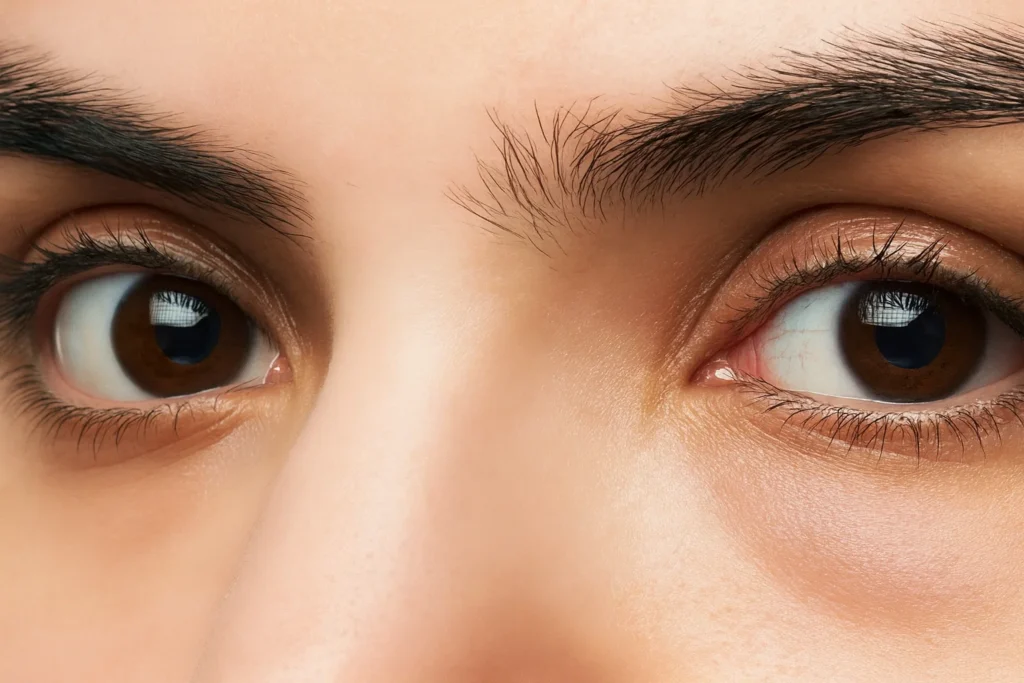
Lower blepharoplasty remains the gold standard when excess skin and fat pockets are the cause of your tired look. In experienced hands, the procedure yields durable and dramatic improvement in contour and skin excess. Outcomes in Asian and darker skinned patients are generally good, although the surgeon must plan incisions and fat handling with ethnic anatomy in mind. Reported overall complication rates in large series are low, but patients should be counselled about temporary swelling, bruising and rare risks.
How to Combine Treatments for the Best Result
- Often, you need a combination to get a natural youthful look. A common pathway in clinics is:
- Address pigmentation first with topical therapy and gentle peels if needed.
- Treat volume loss with conservative hyaluronic acid filler or PRP in combination when the skin is very thin.
- If bulges persist, consider surgical evaluation for blepharoplasty with or without fat repositioning.
- Finish with skin quality treatments such as microneedling or fractional radiofrequency to tighten skin and improve texture.
Experienced clinics like Caviar by Dr. Ambreen Roshan often plan staged treatment pathways so each step builds on the last and risks, especially of pigmentary complications, are minimised.
Special Considerations for South Asian Skin
Your skin tone matters for safety and the choice of device. Darker skin tones have a higher risk of post inflammatory pigmentation after deep peels and many lasers, so nonablative, low energy or non-light based devices, such as radiofrequency are often safer first choices. Injectable approaches such as hyaluronic acid fillers and PRP are generally colour blind and safe across skin tones when performed correctly. Always test a small area or start conservatively if you have skin that tends to darken easily.
Practical Steps to Pick the Right Provider
Ask for a medical consultation and not a sales pitch. Look for a qualified dermatologist or oculoplastic surgeon who:
- Reviews your full medical history and takes photographs.
- Explains the cause of your under eye issue and gives alternatives with pros and cons.
- Shows before and after photos of patients with similar skin tone and age.
- Uses conservative filler volumes, cannulas, and has hyaluronidase available.
- Provides clear pre and post procedure care instructions and discusses recovery time.
If you live in Karachi and want clinic suggestions, book a consultation and look for patient testimonials and clear safety protocols. Clinics that combine dermatology and oculoplastic expertise give balanced options for both skin and structural concerns.
Safety Checklist Before You Treat
If you plan an in clinic treatment, make sure you ask about:
- The exact product brand and how many millilitres will be used.
- What happens if the result looks lumpy or too full.
- How long downtime and bruising are expected.
- Which steps will be taken to reduce pigment flare in darker skin.
Final Quick Decision Flow for Your Under Eye Concern
Is the area mainly pigmented or shadowed by hollowness? Pigment first, filler or fat for hollowness.
- Do you have fat bulges or excess skin? Surgical blepharoplasty may be the correct choice.
- Are you in a darker skin tone? Start conservatively and avoid deep ablative lasers without expert care.
- Want a low downtime refresh? Conservative hyaluronic acid filler or PRP are commonly chosen options.
Conclusion
Under eye concerns are fixable when you choose the right treatment for the underlying cause. Start with a careful medical assessment, protect your skin with sunscreen and then decide between topical care, fillers, PRP or surgery based on anatomy and goals. For people in Karachi who want personalised advice and a conservative, medically supervised plan, clinics such as Caviar by Dr. Ambreen Roshan provide combined dermatology and aesthetic expertise and can guide you through staged options with safety in mind. If you are ready to explore treatment, book a professional consultation and bring photos of your concerns and any prior treatments. A thoughtful plan gives the best chance of a natural, long lasting result.
Related