

If your skin has been looking dull, uneven, or marked by dark spots, a chemical peel can feel like a reset button. In cities like Karachi, where sun, pollution, and busy city life add up, peels are a practical option to brighten tone and smooth texture without a long recovery.
This guide explains what peels actually do, who should consider them, the safety points that matter for darker skin tones, and how to plan treatments around Karachi’s weather and lifestyle. If you want a clinic that blends medical safety with aesthetic taste, Caviar by Dr. Ambreen Roshan is one local practice that focuses on tailored peel plans for each patient. We’ll talk more about it below.
Why Chemical Peels are Worth Understanding
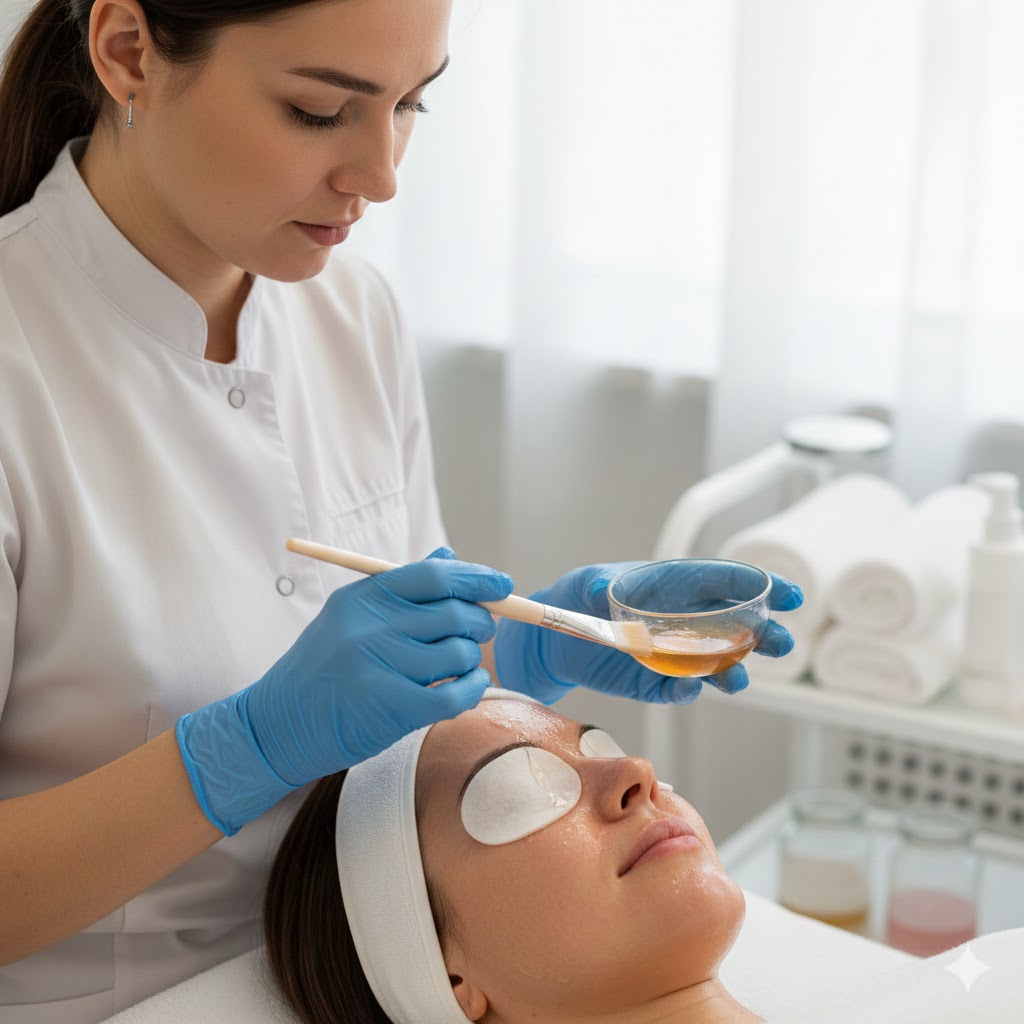
Chemical peels are not one thing. They range from gentle exfoliating solutions that give a light glow to deeper medical peels that remove damaged layers and stimulate renewed skin. The goal can be as small as softening fine lines or as significant as improving stubborn pigmentation and acne scars.
Worldwide interest in peels is strong. Recent international data shows chemical peels are among the most commonly performed non surgical cosmetic procedures, with over 820,000 procedures reported in the latest global survey. That popularity matters because more clinics offer peels, and that makes choosing the right provider more important than ever.
What a Peel Actually Does to Your Skin
A chemical peel uses a controlled chemical injury to the outer skin layers. Superficial peels remove dead surface cells and encourage a smoother texture. Medium depth peels reach further into the dermis and can reduce pigmentation and shallow scars. Deep peels reach yet deeper and can create dramatic change, but come with more recovery and risk.
In all cases, the treated skin heals with new cells and often improves collagen over time. The results depend on the acid used, its strength, the number of layers applied, and the skill of the clinician doing the treatment.
Why Karachi’s Conditions Change the Equation
Karachi has a strong year round sun and high UV days are common during the hot months. That raises the risk of post inflammatory pigmentation after any skin procedure if sun protection is not strict. Many patients in Pakistan present to clinics with melasma and stubborn pigmentation, where sunlight, hormones, and genetics play a role.
Local studies reveal that sunlight exposure is a common contributing factor among melasma patients, and pigmentation is a frequent driver of clinic visits. Planning and aftercare in a city like Karachi must account for this reality.
Which Peel is Right for Your Concern
Here are the different types of peels that may concern you:
1. Superficial peels
Best for mild dullness, small blemishes, and gentle brightening. Common acids include glycolic, lactic, mandelic, and low concentration TCA. Recovery is short and the risk is minimal. For many patients, a series of superficial peels plus a medical grade home routine gives a big improvement with low downtime.
2. Medium depth peels
Used for deeper pigmentation, more marked sun damage, and mild acne scarring. Trichloroacetic acid, also called TCA, is commonly used. Expect more visible peeling for several days and a week or two of social downtime. Medium peels can deliver strong results but need careful planning in darker skin tones.
3. Deep peels
Reserved for severe sun damage and deep lines. Phenol peels are one example. These require careful medical evaluation and longer recovery and are not appropriate for many skin types. Given the higher risks, deep peels are less commonly used today, where lasers and staged approaches can offer similar benefits with more control.
Safety for Darker Skin Tones and What the Research Says
If you have skin color common in Karachi and other parts of Pakistan, you need extra care to avoid pigment changes after a peel. The good news is that when peels are chosen and applied appropriately, the complication rate is low.
A study assessing superficial peels in darker skin types reported complication rates around 3.8 percent, with most issues temporary and manageable. That means superficial peels can be safe and effective when done by trained clinicians who plan for sun protection and pigment control. Still deeper peels carry a higher risk of long term pigmentation or scarring if not done expertly.
Chemical peels remain a popular global treatment with more than 820,000 procedures recorded in the most recent international survey. This shows peels are widely accepted across skin types but also highlights the need to choose experienced providers. Locally, melasma and other pigment problems are common reasons people seek dermatology care in Pakistan, with sunlight cited as a frequent trigger. Those local patterns mean your peel plan should prioritize pigment safety and sun avoidance.
How to Decide if a Peel Will Solve your Problem
Start with the core question: Is the issue surface level or deeper? Surface dullness, uneven tone, mild acne marks and rough texture respond well to superficial peels and require minimal downtime. If your problem is long standing melasma, deep scars, or thickened wrinkles, you may need a staged plan that uses peels plus lasers or medical therapies. A good clinician like Caviar will never push a single aggressive peel as a one size fits all fix. They will build a bespoke plan.
Think in seasons. In Karachi, the best time to schedule medium depth peels is the cooler months when UV exposure is lower and patients can more comfortably follow strict sun avoidance. Many clinics do peels year round but planning a peel series for the winter months significantly reduces pigment risk and improves outcomes. Ask your clinic for a seasonal plan and a staged calendar before you commit.
Preparing for Your Peel and What to Expect
Have a medical consultation first. Disclose medications such as isotretinoin or blood thinners, and tell your provider about recent sun exposure or tanning products. Many clinicians start patients on a pre peel routine including sunscreen, gentle retinoid or azelaic acid and a lightening agent if pigmentation is present. Preconditioning the skin reduces complication risk and speeds recovery.
Superficial peel sessions are brief and often comfortable after topical numbing. Medium peels can sting and may be performed with oral sedation depending on depth. The clinician applies the solution in controlled layers. You might see immediate redness and tightness. For medium peels the peel will crust and peel off over several days. Follow your clinic’s aftercare exactly.
Sunscreen and avoiding sun exposure are non negotiable. Use a broad spectrum sunscreen with SPF 50 and reapply every two hours when outdoors. For several weeks after a peel avoid aggressive facials, strong actives such as high concentration retinoids, and direct sun exposure. Gentle cleansers, hydration, and a barrier repairing moisturizer help the skin rebuild. If you live in Karachi or other cities like Lahore, plan to stay out of peak sun hours and use hats and umbrellas when possible.
Managing Pigment Risk After a Peel
If you have melasma or a history of post inflammatory pigmentation, you and your clinician should plan for maintenance therapy. That can include topical lightening agents, sunscreen, and sometimes low dose maintenance peels at spaced intervals. A staged approach with superficial peels first followed by targeted energy treatments later, reduces risk and often gives the most natural, lasting results.
Common Side Effects and When to Call the Clinic
Expect redness, mild swelling, and flaking after most peels. Severe or prolonged pain, spreading redness, pus, or new dark patches that worsen are signs to contact your clinic. Any sign of infection or unexpected pigment change requires evaluation. Your clinic should provide a clear emergency contact and written aftercare instructions.
How Much Does a Peel Cost in Pakistan
Prices vary by clinic, peel type, and whether follow up and pre treatment conditioning are bundled. Superficial peels at established clinics in Pakistan commonly fall in a modest range compared to deeper medical procedures, while medium and deep peels cost more because of the clinic time and aftercare.
Because price differences reflect product, experience, and safety standards, choose a clinic that is transparent about what is included rather than simply picking the cheapest option. The Pakistan cosmetic services market is growing rapidly, and that means many new providers are entering the space, so vetting is important.
Questions to Ask at Your Consultation
Here is a list of important questions you should ask at your consultation:
- Who will perform the peel and what are their qualifications
- Which exact peel will you use and why is it chosen for my skin
- Can I see before and after photos of patients with similar skin tone and concerns
- What is the full price and does it include preconditioning and follow up
- What is the recovery timeline and what aftercare will you provide
- How will you manage pigment risk and what maintenance will be needed
Real Life Examples and Realistic Timelines
For a common scenario like sun spots and mild texture issues, a series of three superficial peels spaced four weeks apart often gives noticeable improvement within two months and continued refinement over six months.
For stubborn melasma patients, a strategy might combine preconditioning topical therapy, two superficial peels, and then maintenance topical agents with strict sun protection. For acne scarring, medium peels are one tool among lasers and microneedling that together give the best outcomes. Expect incremental improvement rather than overnight miracles.
Choosing a clinic in Karachi
Look for clear medical leadership, documented case examples, and a focus on pre and post care. Ask about staff training and emergency protocols. Clinics that plan seasonal schedules and preconditioning programs show better outcomes for patients with pigment concerns.
If you want a clinic that blends medical safety with modern aesthetics, Caviar by Dr. Ambreen Roshan offers customized peel plans and post procedure support that take Karachi’s climate and pigmentation risks into account.
Final Thoughts
Chemical peels are powerful and versatile when matched to the right skin and the right season. If your main goals are brighter tone, softer texture, and reduced surface pigmentation, a conservative peel plan paired with sun protection and maintenance often delivers great results. If you have deep pigmentation or significant scarring, ask for a staged plan rather than a single aggressive treatment.
When choosing where to go, prioritize provider experience, before and after photos for similar skin tones, and a clear aftercare plan tailored to Karachi life and weather. For a clinic known locally for careful, patient centered peel planning, consider a consultation at Caviar. They will assess your skin, propose a seasonal plan, and explain maintenance so the results last.
Related